
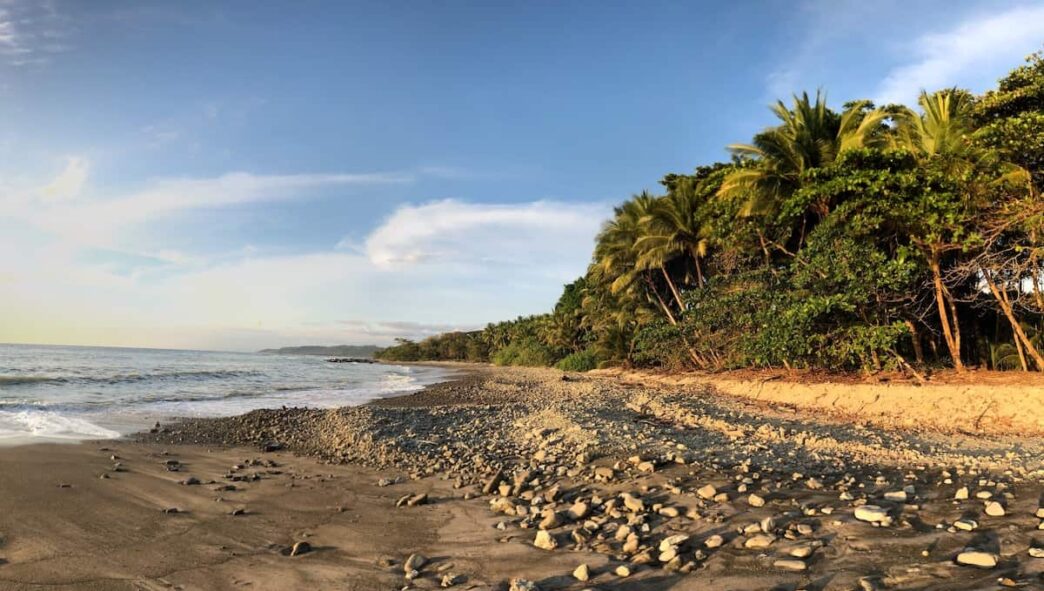
Many travelers search for the best time to visit Costa Rica, but the answer changes depending on where you go. The country sits between two oceans with mountains in the middle, so each area gets its own mix of sun, rain, and temperature. The Pacific side runs hot and dry from December through April, while the Caribbean stays wetter year-round with clearer breaks in February to March and September to October. The Central Valley stays mild most of the year.
Pick your main destination first, then match the months to what you want—sunny beach days, steady hiking trails, or lower costs. This guide breaks it down by the main tourist regions so you can plan a trip that fits the weather you need.
Costa Rica’s Two Main Seasons
The Pacific coast and Central Valley follow a clear pattern: dry season from mid-December to late April with almost no rain and hot sun, and green season from May to November with afternoon showers most days. These showers usually last one to three hours and leave the rest of the day dry.
The Caribbean follows a different schedule with rain spread across the year but shorter dry stretches in February-March and especially September-October. Temperatures stay steady everywhere—hotter on the coasts (75-95°F) and cooler in the mountains (60-80°F). High season (December-April) brings more visitors and higher hotel and tour prices. Green season means fewer crowds and lower rates, though some remote spots close in the wettest months.
North Pacific Region (Guanacaste and Nicoya Peninsula)
This area gets the most reliable dry weather in the country. December through April brings sunny skies every day with almost zero rain and temperatures that hit 85-95°F. Beaches like Tamarindo and Playa Conchal stay perfect for swimming and surfing, and roads stay dust-dry.
May and June work well for shoulder travel—still mostly dry but with lighter crowds and cheaper rooms. September and October turn wettest with heavier afternoon storms, so skip them if you want beach time. This region suits anyone who wants guaranteed sun for water sports or dry-forest hikes.
Central Pacific Coast (Jaco, Manuel Antonio, and Quepos)
Weather here tracks the North Pacific closely but feels a bit more humid as you move south. December to April delivers clear mornings and minimal rain, ideal for Manuel Antonio National Park trails and beach days. Temperatures sit around 80-90°F.
Green season starts in May with predictable afternoon showers, but mornings stay sunny enough for boat tours and zip lines. Avoid September and October if you dislike all-day rain. This stretch works great for families or first-timers who want easy access to parks and beaches without extreme heat.
South Pacific Region (Osa Peninsula, Dominical, and Uvita)
The southern Pacific gets more rain overall than areas farther north. December through April still offers the best shot at dry days and firm trails in Corcovado National Park, with temperatures around 80-90°F. Whale watching peaks in July to October along this coast, so some visitors time green-season trips around that.
May through August brings shorter rains and lower prices, while September and October can see heavy downpours that make some dirt roads tricky. If you plan to hike remote areas or spot wildlife up close, stick to the drier months or early green season.
Central Valley (San José and surrounding highlands)
This inland area feels like eternal spring with daytime highs of 70-80°F year-round. December to April brings the sunniest skies and fewest showers, perfect for day trips to Poás or Irazú volcanoes.
May to November adds afternoon rain, but it rarely lasts long and the roads stay clear. You can visit any month without weather issues—great for city stops or coffee tours before heading to the coasts.
Monteverde Cloud Forest
Monteverde stays misty and cool (60-70°F) no matter the month. February through April gives the best combination of drier trails and clearer views for birdwatching and hanging-bridge walks.
The rest of the year brings more frequent light rain and thicker mist, which actually helps spot more frogs and insects but can make paths slippery. Roads up the mountain stay steep and potholed, so a 4WD vehicle helps year-round. This spot works anytime, but drier months suit hikers who want steady footing.
Arenal and La Fortuna Area
December through April offers the driest conditions around Arenal Volcano with temperatures of 70-88°F and better chances of clear morning views. Expect some rain even then, but mornings usually stay bright enough for hikes and hot springs.
May to November brings daily afternoon storms, yet September and October can deliver strong volcano sightings after the clouds lift. The area’s bowl shape traps moisture, so pack a rain jacket and plan activities for early in the day.
Caribbean Coast (Tortuguero, Puerto Viejo, and Cahuita)
Rain falls here more evenly across the year with high humidity and temperatures of 75-85°F. February to March and especially September to October bring the clearest stretches—September and October stand out because the Pacific side stays wet while the Caribbean gets sun.
November to January turns wettest. Turtle nesting draws visitors July to October on the north coast, so time trips around that if wildlife tops your list. This coast suits travelers who want relaxed beach towns or canal boat rides and do not mind occasional showers.
Best Months by Region at a Glance
| Region | Best Months | Weather Highlights | Good For |
|---|---|---|---|
| North Pacific (Guanacaste) | Dec–April | Sunny, almost no rain, 85–95°F | Beaches, surfing, dry hikes |
| Central Pacific | Dec–April | Clear days, minimal showers, 80–90°F | National parks, family trips |
| South Pacific (Osa) | Dec–April | Driest period, 80–90°F | Remote hiking, whale watching |
| Central Valley | Any month | Mild 60–80°F, drier Dec–April | Volcano day trips, city stops |
| Monteverde | Feb–April | Less mist, cooler 60–70°F | Birdwatching, forest walks |
| Arenal/La Fortuna | Dec–April | Drier mornings, 70–88°F | Volcano views, hot springs |
| Caribbean Coast | Feb–Mar, Sep–Oct | Shortest rain periods, 75–85°F | Turtle nesting, quiet beaches |
How to Choose Based on Your Plans
Beach lovers head to the North or Central Pacific in dry season for steady sun. Hikers and wildlife watchers often pick green season for fewer people and more active animals, especially in the South Pacific or Monteverde. Budget travelers save 30-50% in May through November and still enjoy mornings of good weather.
If you visit multiple regions, start on the Pacific in dry season then swing to the Caribbean in September or October for the best mix. Shoulder months like May, June, and November give a solid balance of decent weather and lower prices.
Travel Tips for Any Season
Book flights and popular hotels three months ahead for December through April. Green season works fine for most activities—rain usually stops by evening. Carry a lightweight rain jacket and quick-dry clothes everywhere. Rental cars need 4WD for mountain or southern roads in wet months. Check park websites for any temporary closures during heavy rain.
The best time to visit Costa Rica comes down to matching the right region to the right months. Figure out your top spots first, then lock in the weather window that gives you sunny days or lower costs exactly when you need them.