

Costa Rica draws people who want to connect with nature in a real way. The country has built a strong focus on ecotourism, which means travel that supports conservation and local communities while letting visitors experience its rich biodiversity.
With over a quarter of its land set aside as protected areas, Costa Rica offers rainforests, volcanoes, beaches, and wildlife spots that make it easy for tourists to see animals and plants up close without harming the environment. This post covers the main places to visit and simple steps to take part in ecotourism during your trip.
Why Choose Costa Rica for Ecotourism?
Costa Rica stands out because it protects so much of its natural spaces. The government runs a system of national parks, wildlife refuges, and biological reserves that cover diverse ecosystems, from dry forests in the northwest to wet rainforests in the south.
This setup started decades ago and keeps growing, with programs that certify hotels and tour operators for sustainable practices. For tourists, this means your visit can help fund conservation efforts directly, like through park entry fees that go toward protecting habitats.
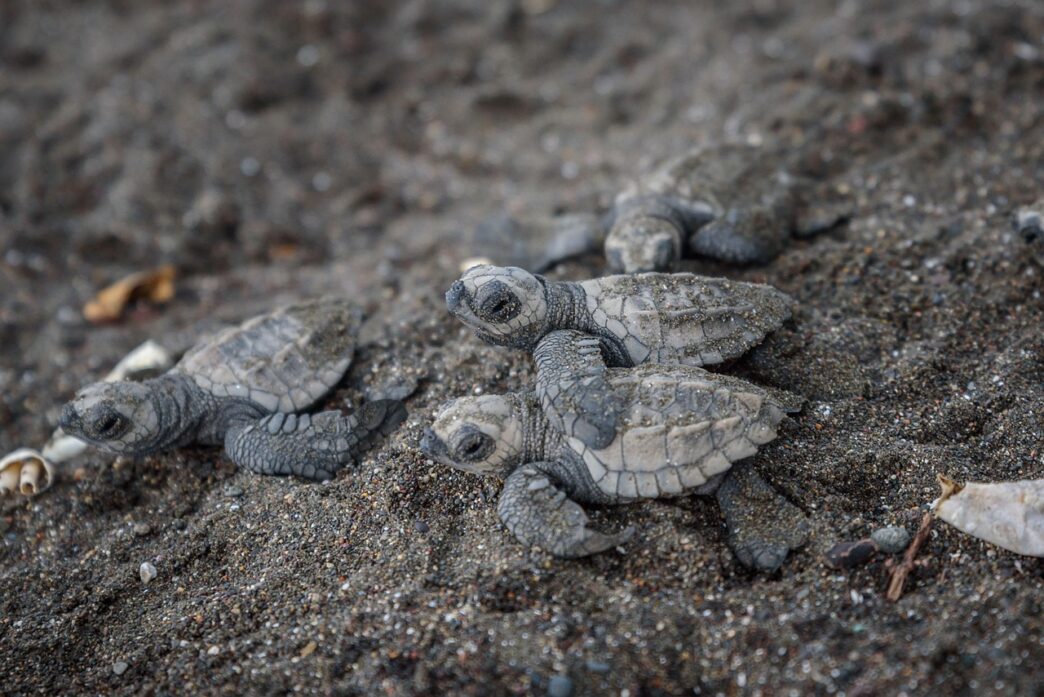
The appeal lies in the variety. You can spot sloths hanging in trees, watch sea turtles lay eggs on beaches, or hike near active volcanoes. Ecotourism here isn’t just about looking—it’s about learning and contributing.
Many activities involve guides who explain local ecology, and options exist for all fitness levels, from easy walks to multi-day treks. Plus, the country’s small size makes it straightforward to move between spots, often in a few hours by car or bus.
Top Places to Visit for Ecotourism

Costa Rica has dozens of protected areas, but a few rank highest for tourists interested in ecotourism. These spots offer guided experiences that minimize impact on the environment while maximizing what you see and learn. Focus on visiting during less busy times to reduce crowds.
Tortuguero National Park
On the Caribbean coast, Tortuguero National Park protects a key nesting site for green sea turtles. The area includes canals, beaches, and lowland rainforests where you might see monkeys, birds, and caimans. Boat tours through the waterways let you observe wildlife without disturbing it. Night walks with guides show turtle nesting from July to October, but rules keep lights and noise low to avoid stressing the animals.
Access Tortuguero mainly by boat from nearby towns like La Pavona, or fly into the small airstrip. Stay at lodges that follow sustainable guidelines, using solar power and recycling water. This park shows how ecotourism supports local jobs, as many guides come from surrounding villages.
Monteverde Cloud Forest Biological Reserve
In the central highlands, Monteverde offers a misty forest environment with orchids, ferns, and over 400 bird species, including the resplendent quetzal. Hanging bridges and zip lines provide views from the canopy, but choose operators that limit group sizes to cut down on trail erosion. Hiking paths lead to waterfalls and viewpoints, with naturalists pointing out hidden creatures like tree frogs.
Reach Monteverde by bus or shuttle from San José, about four hours away. The reserve’s elevation means cooler weather, so pack layers. Ecotourism here includes coffee tours on nearby farms that use organic methods, linking agriculture to conservation.
Corcovado National Park
On the Osa Peninsula in the southwest, Corcovado holds some of the country’s most untouched rainforest. It’s home to tapirs, jaguars, and scarlet macaws, with trails that require permits and often a guide. Day hikes from stations like Sirena reveal beaches and inland paths where you can see troops of monkeys.
Getting there involves a flight to Puerto Jiménez or Drake Bay, then a boat or hike into the park. Overnight stays at ranger stations allow deeper exploration, but pack light and follow strict no-trace rules. This spot highlights Costa Rica’s commitment to preserving large wild areas.
Manuel Antonio National Park
Near the central Pacific coast, Manuel Antonio combines white-sand beaches with forest trails full of capuchin monkeys and sloths. It’s one of the smaller parks but packs in biodiversity, with snorkeling spots offshore for coral and fish. Guided tours help spot camouflaged animals and explain the ecosystem.
Drive or take a bus from San José, roughly three hours. The park caps daily visitors to prevent overuse, so book tickets early. Beaches inside offer swimming, but watch for rip currents. Ecotourism extends to nearby Quepos, with boat trips to see dolphins responsibly.
Arenal Volcano National Park and La Fortuna
Centered on the Arenal Volcano, this northern area features lava fields, hot springs, and Lake Arenal. Trails wind through secondary forest recovering from past eruptions, with chances to see toucans and coatis. Kayak tours on the lake or horseback rides add variety, all with a focus on low-impact methods.
From San José, it’s a three-hour drive or shuttle ride. Many lodges here run on renewable energy and offer farm-to-table meals. Soak in natural hot springs after hikes for a relaxing end to the day.
Caño Island Biological Reserve
Off the Osa Peninsula, Caño Island is a marine reserve known for snorkeling and diving among sharks, rays, and turtles. Land trails show ancient stone spheres left by pre-Columbian people. Boat tours from Drake Bay emphasize no-touch policies to protect reefs.
Access by boat only, about 90 minutes from the mainland. This site underscores Costa Rica’s ocean conservation, with rules against feeding fish or collecting shells.
Other notable mentions include Rincón de la Vieja for geothermal features like mud pots and fumaroles, and the Guanacaste region for dry forest hikes and leatherback turtle watching at Playa Grande.
| Best Months for Ecotourism by Region | Dry Season (Dec-Apr) | Green Season (May-Nov) |
|---|---|---|
| Caribbean Coast (Tortuguero) | Fewer rains, good for turtles | Lush vegetation, lower prices |
| Central Highlands (Monteverde) | Clearer skies for views | Mistier, but fewer people |
| Pacific Coast (Manuel Antonio, Corcovado) | Sunny beaches, dry trails | Greener landscapes, rain possible |
| Northern Volcanoes (Arenal) | Ideal hiking weather | More waterfalls, budget deals |
This table helps pick times based on weather preferences—dry for comfort, green for savings and fuller rivers.
How Tourists Can Get Involved in Ecotourism

Getting hands-on with ecotourism in Costa Rica goes beyond sightseeing. Start by choosing certified operators—look for those with sustainability seals from the tourism board. These groups use small vehicles, hire local staff, and donate to conservation.
Join guided activities like birdwatching walks or canopy tours that teach about habitats. For deeper involvement, sign up for volunteer days at wildlife rescues or beach cleanups. Many parks offer short programs where you help monitor turtles or plant native trees. Organizations run multi-day conservation trips, such as patrolling nests at Ostional or restoring mangroves in the Gulf of Nicoya.
Stay at eco-lodges that generate their own power and source food locally. Eat at spots using organic ingredients and avoid single-use plastics. When hiking, stick to paths, carry out trash, and use reef-safe sunscreen for water activities. Support community projects by buying crafts from indigenous groups in areas like Talamanca or visiting co-ops that produce chocolate or coffee sustainably.
Transport choices matter too—opt for shared shuttles over private cars to lower emissions. Some tours include carbon offset fees that fund tree planting. If you’re fit, bike or walk short distances in towns like La Fortuna.
Planning Your Ecotourism Trip to Costa Rica
Budget for park fees, around $15-20 per person, and guide services at $50-100 per day. Domestic flights cut travel time but add cost; buses are cheaper but slower. Pack binoculars, insect repellent, quick-dry clothes, and sturdy shoes. Check visa rules—most visitors get 90 days on arrival, but confirm based on your nationality.
Health tips: Drink bottled water in remote areas, get vaccines for hepatitis and typhoid if advised, and use mosquito nets in lowlands. Roads can be rough, so consider renting a 4×4 if driving. Book popular spots like Corcovado in advance, especially in peak months.
Ecotourism here adapts to all ages—families can do easy beach walks, while adventurers tackle longer treks. Solo travelers often join group tours for safety and company.