
When you’re in Costa Rica, most days involve beaches, hikes, or coffee tours. But if an issue pops up—like a health problem, theft, or a fender-bender—you want quick, reliable info. This guide lays out the basics on emergency contacts and steps to take, all in a straightforward way to help you stay composed.
Calling for Help: All About 911 in Costa Rica
Costa Rica uses 911 as its main emergency line, just like in the US. It links you to police, fire services, or ambulances right away. Operators handle calls in Spanish, but many speak English, especially in areas with lots of visitors. If language is a barrier, they can connect an interpreter—services cover over 100 languages for clear communication.
Dial 911 from any phone, even without a local SIM card. It’s free, and it works nationwide. Stay on the line: give your location, describe the situation, and answer questions. They might ask for details like nearby landmarks or your exact spot, since rural areas can lack street addresses. Response times vary—faster in cities like San Jose, slower in remote spots like the Osa Peninsula.
For non-urgent issues, like reporting a minor theft after the fact, head to a local police station instead of tying up 911.
Different Types of Police and When to Call Them
Costa Rica has several police forces, each with a specific role. Knowing which one fits your situation saves time.
- General Police (Fuerza Pública): These handle most crimes, like break-ins or assaults. They’re the ones to call via 911 for immediate threats. Uniforms are dark blue; vehicles are marked clearly.
- Transit Police (Policía de Tránsito): Focused on road rules. If you’re in a traffic stop or need to report a driving violation, they’re the experts. They wear white shirts and patrol on motorcycles or in white sedans. Contact them at 2222-9330 for non-emergencies.
- Tourist Police: Designed for visitors, these officers patrol popular spots like Manuel Antonio or Tamarindo. Many speak English and help with things like lost items or directions. Reach them through 911, or look for stations in tourist hubs.
For serious crimes, the Judicial Investigation Agency (OIJ) steps in later for probes. As a visitor, start with 911 or the nearest station—insist on a written report for insurance claims.
Handling Medical Emergencies: Public vs. Private Care
Health issues can hit anyone, from a twisted ankle on a trail to food-related stomach trouble. Costa Rica’s system offers options, but choose based on urgency and your setup.
Public hospitals, run by the Caja (CCSS), treat emergencies for free or at low cost—even for visitors. They’re equipped for basics like stitches or broken bones, with 24/7 emergency rooms. Expect crowds and waits, though life-threatening cases get priority. English might be limited among staff, so bring a translation app or ask for help. Top public spots include Hospital Mexico in San Jose or regional ones in Liberia.
Private clinics and hospitals suit most tourists better—they’re quicker, cleaner, and often have English-speaking doctors. Places like CIMA in Escazu or Clinica Biblica in San Jose match US standards but charge more (cash or card upfront). Many accept international insurance; check yours covers here.
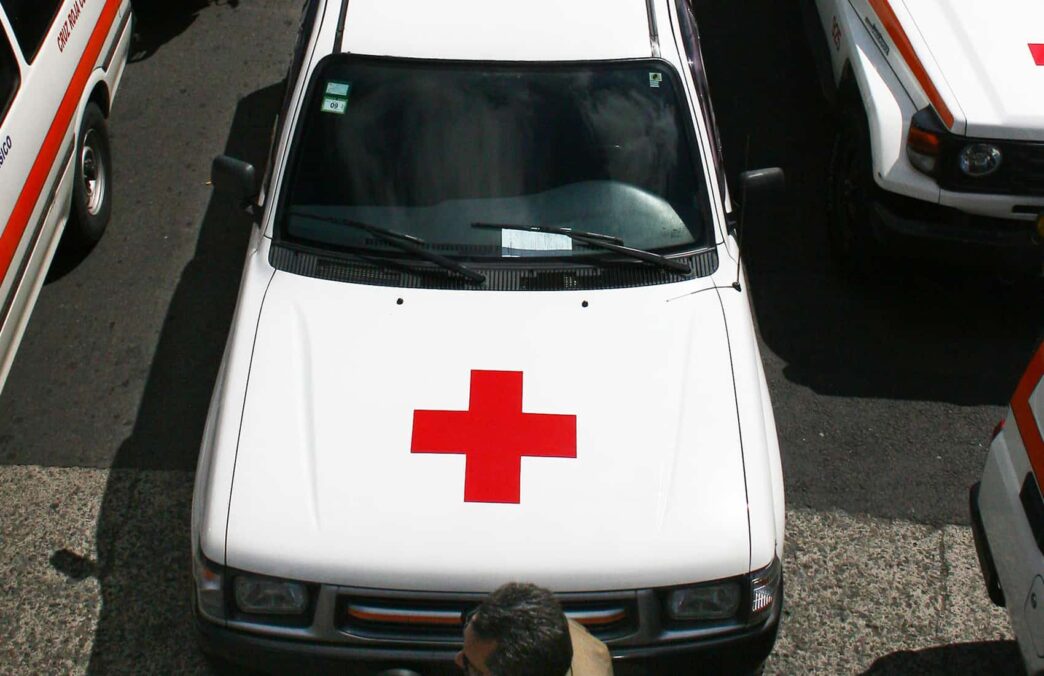
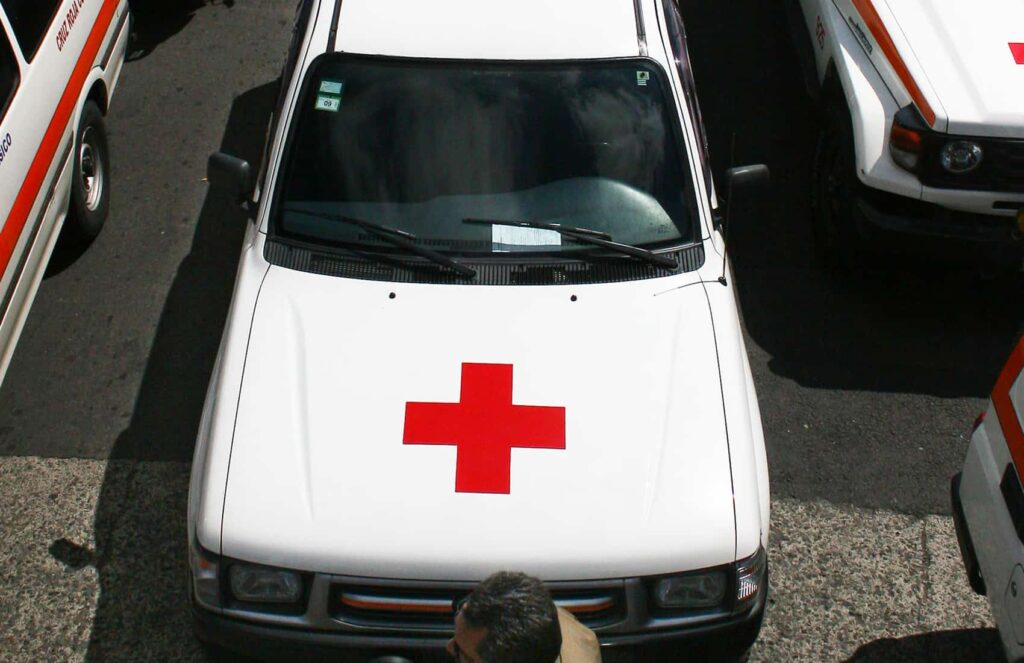
Always carry travel insurance with medical and evacuation options—Costa Rica’s terrain can make airlifts necessary for remote injuries. For minor stuff, pharmacies (farmacias) sell over-the-counter meds and give basic advice. Dial 911 for ambulances; public ones are basic, while private (like from Red Cross at 128) might arrive faster but cost extra.
| Option | Pros | Cons | Best For |
|---|---|---|---|
| Public Hospitals | Low or no cost; available everywhere | Long waits; basic facilities | Serious, budget emergencies |
| Private Clinics | Fast service; English speakers | Higher fees | Comfortable care with insurance |
Dealing with Lost or Stolen Items Like Passports and Phones
Theft happens, often opportunistic grabs of bags or gadgets. If something goes missing, act fast but smart.
For a lost passport: First, file a report at a police station—aim for an OIJ office for a detailed one. This proves the loss. Then contact your embassy (US in San Jose at 2519-2000). Bring ID copies, photos, and forms (like DS-64 and DS-11 for Americans). They’ll issue a temporary one, but it takes days—plan to stay put. Keep passport copies separate from the original.
Stolen phones or wallets: Report to police for an official record—key for claims. For phones, call your carrier to block the IMEI code, making it useless worldwide (Costa Rica operators like ICE, Claro, Movistar do this quickly). Cancel cards immediately. Tourist police can help recover items in busy areas.
Prevent it: Use hotel safes, avoid flashing valuables, and split cash/cards. If robbed, hand over stuff without fighting—safety first.
What to Do After a Car Accident
Roads in Costa Rica can be tricky with potholes and sudden stops. If you’re in a crash:
- Check for injuries—call 911 if needed.
- Do not move vehicles until transit police arrive. This is law; moving can make you liable.
- Contact your rental company—they handle insurance and send help.
- Exchange info with the other driver: names, plates, licenses.
- Get a police report—insist on a copy.
Even minor bumps require this process; hit-and-runs are common but risky. If renting, full insurance covers most, but expect holds on your card until resolved.
Key Mistakes to Avoid in the First Hour of a Crisis
The initial moments matter—here’s what not to do:
- Don’t panic and rush decisions. Breathe, assess, then call 911.
- Avoid touching or moving anything at a scene, like in an accident—wait for officials.
- Skip arguing or resisting if threatened; give up items to stay safe.
- Don’t hang up on emergency operators early—let them guide you.
- Pass on self-medicating serious issues; seek pros instead.
- Forget going solo in remote areas—tell someone your plans.
Prep ahead: Save embassy numbers, buy insurance, learn basic Spanish phrases like “ayuda” (help) or “hospital” (hospital). Download offline maps and apps like Google Translate.
Costa Rica stays welcoming with these basics in mind. Most trips go smooth, but knowing this stuff lets you focus on the good parts, like sunsets over the Pacific or spotting sloths in the trees.