
Costa Rica offers museums that tie directly to its land and people, making them a smart add to any trip. These spots work well as indoor options on rainy days or ways to learn more about the areas you pass through.
When planning, aim for places that fit your route, like archaeology sites in the capital or hands-on experiences along the coasts. Many are easy to reach by bus, shuttle, or car, and costs stay low compared to other activities.
San José Museums: Start with the Basics
Most trips begin or end in San José, so use a day here to hit the main collections. They sit close together downtown, letting you walk between them without much effort.
The National Museum of Costa Rica gives a full run-through of the country’s past. Set in an old army base with marks from past fights still on the walls, it shows items from early times, colonial days, and recent history. Expect to see stone tools, pottery, and rooms on local plants and animals. Foreign adults pay about $11, students $6, and kids under 12 enter free. It opens Tuesday to Sunday from 8:30 a.m. to 4:30 p.m.
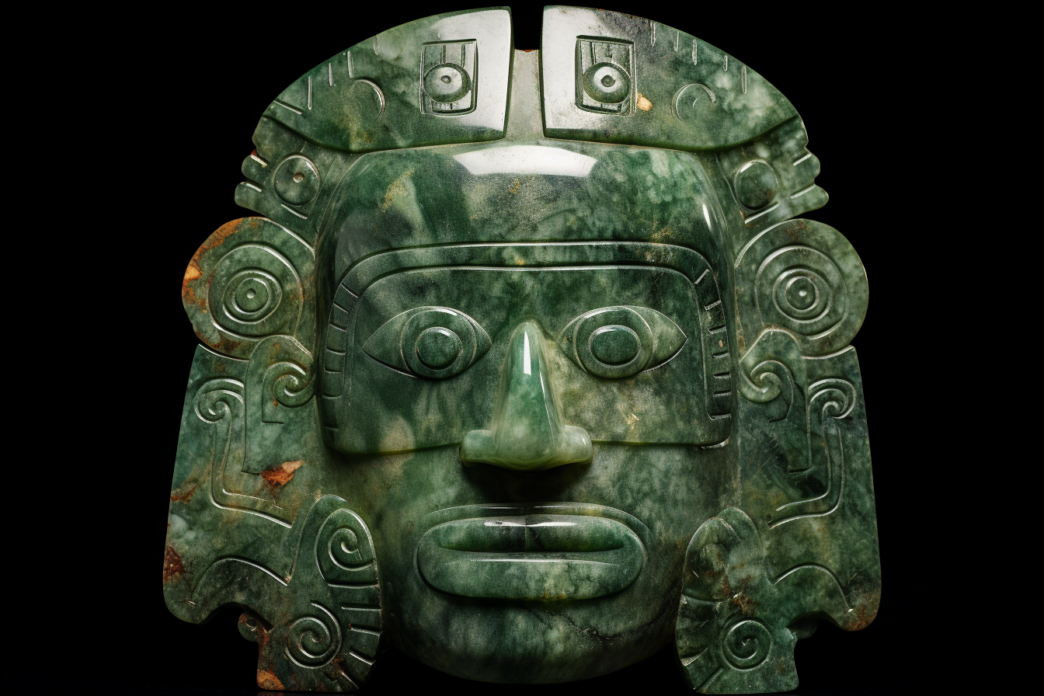
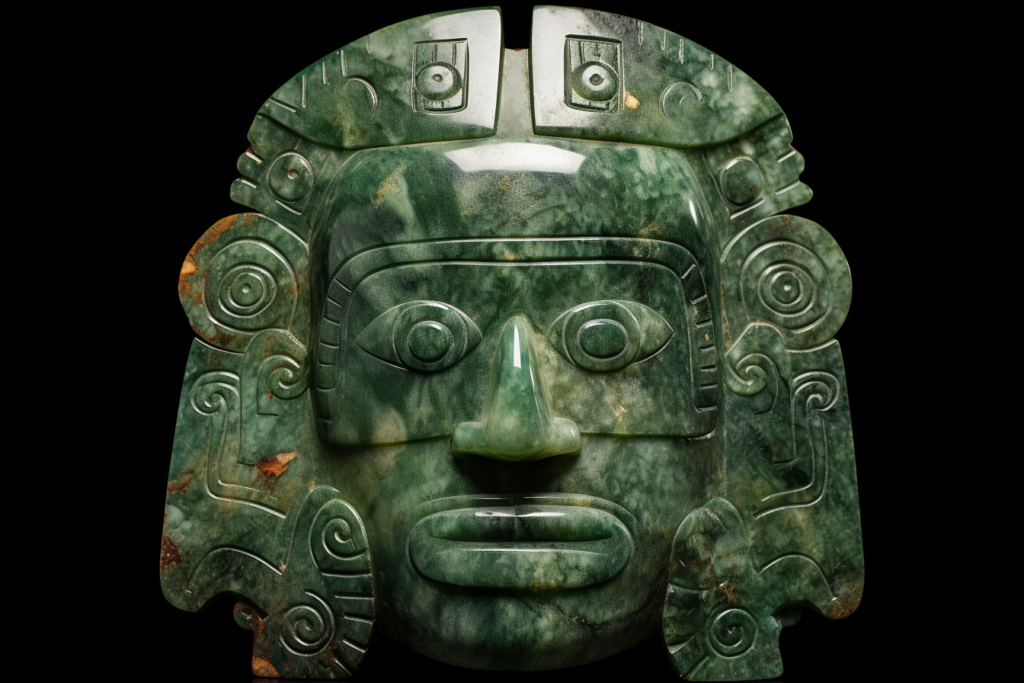
A short stroll away, the Jade Museum holds thousands of jade pieces from before European arrival. These include tools, necklaces, and figures that show how people lived and traded. The building has five levels with English signs, and it focuses on daily life in those eras. Admission runs around $16 for adults, $5 for students with ID, and $2 for kids 6 to 12—free for those under 6. Hours are daily from 8 a.m. to 5 p.m.
Under the Plaza de la Cultura, the Central Bank Museums pair gold items with coin history. The Pre-Columbian Gold Museum displays over 1,000 shiny pieces like animal shapes and symbols of power. The Numismatic Museum covers money from early trades to today. Combined entry costs about $12 for foreigners. Open Monday to Sunday from 9:15 a.m. to 4:30 p.m.
For modern takes, check the Museum of Contemporary Art and Design (MADC). It shows changing works from the region, often with photos, setups, and videos. Entry is $4 for adults, free for kids under 6, and it runs Tuesday to Saturday from 10 a.m. to 5 p.m.
Over in La Sabana Park, the Costa Rican Art Museum (MAC) uses the old airport building to house paintings and sculptures from the 1800s on. Look for big wall art on national events and a garden with outdoor pieces. Admission is free, open Tuesday to Sunday from 9 a.m. to 4 p.m.
If you have children, the Children’s Museum in an old prison offers play areas on science, space, and history—like machines that shake to mimic quakes. Tickets are around $3.50 for adults and $3 for kids under 15. Plan half a day.
To save some money, get the Paseo de los Museos pass for about $33. It covers the National Museum, Jade Museum, and Central Bank Museums. Buy it at any of the three or online but confirm details as they can shift.
Regional Museums: Match Them to Your Path
Once outside San José, options turn more local and tied to the land. These smaller sites reward travelers who add them as stops between beaches or parks.
On the Caribbean coast, cacao spots blend history with tastes. Cacao Trails near Cahuita walks you through groves, showing how pods turn into chocolate with old methods from native groups. Tours last one to two hours and include samples. Prices start at $20 per person, open daily but book ahead. It pairs well with time in Puerto Viejo or Cahuita National Park.
In the south, near Buenos Aires in Puntarenas, the Boruca Indigenous Community Museum shares traditions from the Boruca people. See weaving, masks, and tools, plus buy from makers. It’s run by the community, with entry by donation. Open Monday to Saturday from 8 a.m. to 5 p.m. Spend time in the village for the full feel.
Close to Palmar Sur, Finca 6 protects the stone spheres—big round rocks from 1,500 years ago, listed by UNESCO. The site has them in place with signs on the Diquís culture. Tickets cost about $6 for adults, open Tuesday to Sunday from 8 a.m. to 4 p.m. It breaks up drives to Uvita or the Osa Peninsula.
In Guanacaste, the Ecomuseo Minero de Abangares tells mining stories from the gold rush days. Trails lead past old machines and shafts, with photos and models inside. Entry is around $5, open daily. It fits routes between Monteverde and beaches.
Punta Islita hosts an open-air museum with mosaics and sculptures around the village. Started in 2003, it’s free to walk through and mixes art with daily life. Good for stays in the Nicoya area.
In San Vicente de Nicoya, the Chorotega Ceramic Ecomuseum keeps 4,000-year-old pottery ways alive. Watch makers at work and see pieces linked to Chorotega roots. Entry about $3, open daily. It connects to markets and homes in the peninsula.
How to Make Museum Stops Fit Your Trip
Pick two or three per day to keep things easy. In San José, start with the National Museum, move to Jade, then Central Bank. Add MADC or MAC if time allows. Use buses or rideshares downtown—traffic can slow cars.
For regions, confirm hours the day before, as small places close for events. Carry cash for rural spots, though cards work in most. Roads are paved to main sites, but some like Boruca have gravel sections.
Costs: Plan $10-20 per person for entry, plus transport. A car helps for detours, but shuttles reach many.
Best Months for Costa Rica Museums by Region
Dry weather makes outdoor parts easier, but indoor focus means year-round options. Here’s a breakdown:
| Region | Best Months | Reasons |
|---|---|---|
| San José (Central Valley) | December-April | Less rain for walking between sites; mild temps year-round. |
| Caribbean Coast | December-April | Drier days for cacao walks; avoid heavy rains September-October. |
| Southern Zone | December-April | Better roads to remote spots; pairs with whale watching. |
| Guanacaste/Nicoya | November-May | Dry for trails and art outdoors; hotter in wet months but quiet. |
Sample Itineraries for Museum Trips
One-Day San José Loop:
- 9 a.m.: National Museum for broad history.
- 11 a.m.: Jade Museum for artifacts.
- 1 p.m.: Lunch nearby, then Central Bank for gold and coins.
- 3 p.m.: MADC or MAC to end light.
Two-Day Add-On:
- Day 1: San José as above.
- Day 2: Based on route— Cacao Trails from Caribbean base; Boruca or Finca 6 heading south; Abangares or ceramics in Guanacaste.
Three-Day Mix:
- Day 1: San José classics.
- Day 2: Drive to Guanacaste for mining museum and ceramics.
- Day 3: South to stone spheres if extending.
These museums add depth without taking over your plans. They show Costa Rica beyond trails and waves, linking what you see outside to stories from the past and present. Fit them where they make sense, and they turn into highlights.