
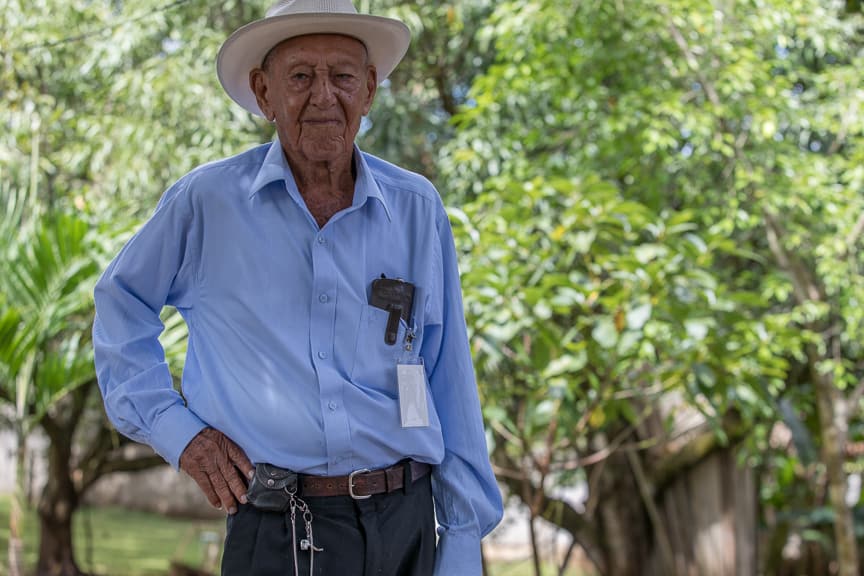
The Nicoya Peninsula stands out as one of the few places on earth where people routinely live past 100 in good health. As Costa Rica’s only Blue Zone, this Pacific coastal region draws visitors interested in its mix of relaxed living, natural beauty, and habits that promote long lives.
If you’re planning a trip focused on Nicoya longevity in Costa Rica, expect sandy beaches, tropical forests, and a chance to adopt some local ways that might add years to your own routine. This guide covers the basics to help you make the most of your visit.
What Makes a Blue Zone and Why Nicoya Fits the Bill
Blue Zones refer to spots around the world with high numbers of people reaching 90 or 100 years old while staying active and sharp. Researchers point to shared traits like steady movement, close relationships, and simple eating. Nicoya Peninsula qualifies thanks to its residents’ extended lifespans—often 85 or more on average, even in areas with modest incomes.
Factors here include a sense of purpose called “plan de vida,” where folks feel driven to contribute daily. Clean air, calcium-rich water from local sources, and a history tied to indigenous Chorotega roots all play roles. Unlike other Blue Zones in places like Japan or Italy, Nicoya combines Central American warmth with ocean access, making it ideal for travelers seeking Blue Zones travel in Costa Rica.
Mapping Out the Nicoya Peninsula: Key Spots and Getting There
This 80-mile-long peninsula juts into the Pacific, split between Guanacaste in the north and Puntarenas in the south. It’s about 75 miles long and 37 miles wide, with rugged hills, dry forests, and miles of coastline. Major towns include Nicoya, the cultural hub with markets and historic sites; Santa Cruz, known for festivals; and beach areas like Nosara, Samara, Tamarindo, Montezuma, and Santa Teresa.
To reach it, fly into Liberia Airport (LIR) for the north end—about an hour’s drive to places like Tamarindo—or San Jose (SJO) for the south, which takes three to five hours by road. Rent a car for flexibility, especially a 4×4 for dirt paths. Public buses run from both airports to Nicoya town, or take a shuttle for ease. From Puntarenas, hop a ferry to Paquera or Playa Naranjo for a scenic one-hour crossing, then drive or bus onward. Domestic flights to Tambor or Cobano airstrips cut time if you’re heading south.
Everyday Habits in Nicoya That Boost Longevity
Locals here keep things straightforward, which seems to pay off in health. Movement comes naturally—think walking to visit family, tending small farms, or doing household tasks. Many stay active into their 90s without gyms or strict plans.
Social bonds run deep, with families often living together across generations. Regular chats with neighbors and shared meals build support networks that cut stress. A positive mindset ties in, as people focus on what matters and laugh often.
Diet centers on whole foods eaten in moderation. Breakfast might be the biggest meal, with lighter options later. Hard water from wells provides extra calcium for bones and hearts. Faith and community events add structure, while moderate sun exposure supplies vitamin D without overdoing it.
Healthy Eating and Drinking Traditions in Nicoya
Food in the Nicoya Blue Zone sticks to basics that fuel long lives. The “three sisters”—corn, beans, and squash—form the core, offering balanced nutrition. Gallo pinto, a mix of rice and beans with herbs, shows up at breakfast, often with eggs, plantains, or fresh cheese.
Tropical fruits like papaya, mango, and pineapple add vitamins, while yams, sweet potatoes, and greens round out plates. Meals lean plant-based, with fish or chicken in small amounts. Portions stay modest, and folks eat early evenings to aid digestion.
Drinks include fresh juices or herbal teas from local plants like chan seeds for calming effects. Coffee from nearby farms packs antioxidants. Skip processed items—everything comes fresh from markets or gardens.
| Common Nicoya Foods | Health Perks |
|---|---|
| Beans and rice | Protein, fiber for steady energy |
| Corn tortillas | Whole grains for gut health |
| Tropical fruits | Vitamins C and A for immunity |
| Squash and yams | Antioxidants for cell repair |
Active Ways to Explore Nicoya: Trails, Waters, and Group Sessions
For hands-on Blue Zones travel in Costa Rica, join activities that mirror local movement. Hike in Cabo Blanco Reserve through forests to empty beaches, or explore Barra Honda’s limestone caves with guided tours. Curú Wildlife Refuge offers easy paths spotting monkeys and birds.
Water draws many—surf spots in Nosara or Santa Teresa suit all levels, while snorkeling near Isla Tortuga reveals colorful fish. Kayak mangroves around Samara for calm paddling.
Community options include yoga classes on beaches or in open-air studios, often free or low-cost. Join wellness workshops on healthy cooking or meditation in towns like Nosara, blending exercise with social time.
Top Wellness Lodgings and Retreats in Nicoya
Stay places that tap into the region’s healthy vibe. The Retreat Costa Rica near Atenas overlooks the peninsula with farm-to-table meals, yoga, and spa treatments using local herbs. In Nosara, Harmony Hotel mixes surf lessons with organic dining and conservation efforts.
Cala Luna Boutique Hotel in Tamarindo hosts retreats with beach yoga and fresh juices. Andaz Costa Rica at Peninsula Papagayo runs Blue Zone-inspired programs like guided hikes and sound healing. For budget picks, eco-lodges in Montezuma offer simple rooms with group activities.
Engaging with Local Culture Respectfully as a Visitor
Costa Ricans, or Ticos, value “pura vida”—a greeting meaning pure life that sums up their easygoing approach. Show respect by learning basic Spanish phrases and greeting people warmly. Support locals by shopping at markets or eating at family-run sodas instead of chains.
Attend events like the Annexation of Guanacaste festival in July for dances and food, but ask before photos. In indigenous areas, follow guides and avoid disrupting daily life. Tip modestly for good service, and leave no trace on beaches or trails to honor the environment.
Ideal Times to Visit Nicoya for Weather and Outdoor Fun
Dry season from December to April brings sunny days in the 80s°F, perfect for beach time and hikes with low rain. It’s busier, so book ahead.
Green season, May to November, sees afternoon showers but mornings stay clear. Landscapes turn bright green, crowds thin, and prices drop—great for quiet outdoor living. Avoid October for heaviest rains. Year-round, ocean temps hover around 80°F for water activities.
Practical Advice for Transport, Health, and Safety in Nicoya
Rent a 4×4 for rough roads, or use shared shuttles between towns. Buses connect major spots cheaply but slowly. Ferries from Puntarenas add adventure.
Health care shines here—clinics in towns like Nicoya handle basics, with hospitals in Liberia or San Jose for more. Get travel insurance; tap water is safe in most areas, but bottled works if unsure. Pharmacies stock common meds.
Stay safe with common sense: lock valuables, avoid solo night walks, and use official taxis or rideshares. Petty theft happens in tourist zones, so keep bags close. Roads can flood in rain, so check conditions.
A 3-Day Wellness Itinerary for Nicoya Peninsula
Focus on Nosara for this sample plan, blending rest and activity.
| Day | Morning | Afternoon | Evening |
|---|---|---|---|
| 1 | Arrive via Liberia, drive to Nosara. Settle at a beach lodge. Walk the shore for vitamin D. | Join a yoga class on the sand. | Light dinner of gallo pinto and fruit at a local soda. Chat with neighbors. |
| 2 | Hike Guiones Beach trails, spotting wildlife. | Snorkel or kayak in calm waters. | Wellness workshop on healthy habits, then early rest. |
| 3 | Market visit for fresh produce; try a cooking demo. | Spa time with herbal treatments. | Sunset beach stroll before heading out. |
This itinerary keeps things light, letting you ease into Nicoya longevity in Costa Rica. Nicoya Peninsula Blue Zone offers more than views—it’s a real look at living well. Whether hiking trails or sharing meals, you’ll leave with ideas to carry home.