
San José sits in the heart of Costa Rica’s Central Valley, serving as the main entry point for most travelers. You land at the airport, and before heading to beaches or rainforests, you find yourself here. The city mixes urban energy with cultural spots and easy access to nature. I have spent time walking its streets and chatting with locals, and it offers a real taste of Costa Rica without the crowds of coastal areas. This guide covers the basics for planning your stay, from arrival to daily outings.
A Brief History of San José
San José started small in the 1700s. Spanish settlers built a chapel dedicated to San José in 1737, and a town grew around it. By the mid-18th century, it was a quiet farming spot in the valley, far from the original capital of Cartago. The area drew people with its fertile soil and mild climate.
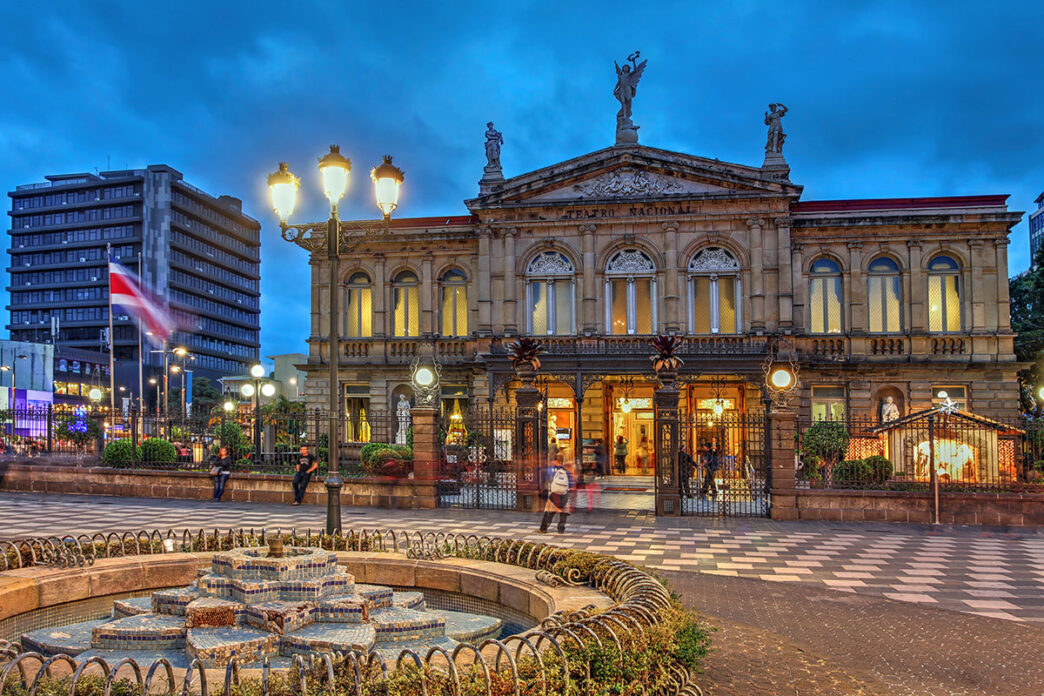
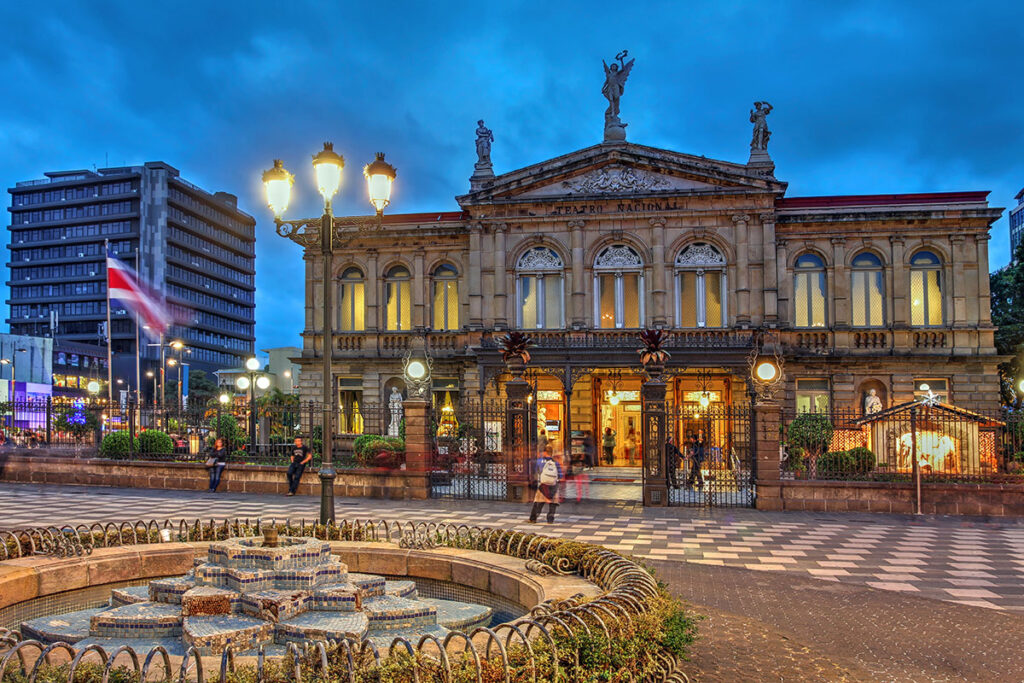
In 1821, Costa Rica gained independence from Spain, and San José pushed to become the capital. A vote in 1823 moved the government there from Cartago. The city grew fast in the 1800s, thanks to coffee exports that brought money and European influences. Buildings like the National Theater, finished in 1897, show that coffee-era wealth.
The 20th century brought more changes. Railroads connected San José to ports, boosting trade. Today, it holds about 350,000 people in the city proper, with over a million in the metro area. Earthquakes hit hard, like in 1910 and 1991, but the city rebuilt each time. Walk through Barrio Amón, and you see old mansions from the coffee boom, now turned into hotels and cafes.
Arriving in San José
Most flights land at Juan Santamaría International Airport (SJO), 20 kilometers northwest of the city center. It handles international arrivals, with direct flights from the US, Europe, and Latin America. A smaller airport, Tobías Bolaños (SYQ), serves domestic and private planes in the Pavas area.
From SJO, options to the city include official taxis (red ones with yellow triangles), which cost around 25,000-30,000 colones (about $50 USD) and take 30-45 minutes, depending on traffic. Uber works here too, often cheaper at $20-30 USD. Public buses run from outside arrivals to downtown for about 1,000 colones ($2 USD), but they fill up fast and stop service around 10 PM.
If you arrive late, book a shuttle or private transfer ahead. Traffic clogs the roads during rush hours, 7-9 AM and 4-6 PM. The airport has ATMs, but lines form, so exchange some cash or use a card with low fees.
Getting Around San José
San José spreads out, but the downtown core is walkable. Public buses cover the city cheaply—fares run 300-500 colones ($0.50-1 USD). Catch them at stops marked with signs; routes loop through the center and suburbs. An app like Moovit helps track times and paths. Buses get crowded, so hold your bag close.
Taxis are everywhere. Official ones use meters; insist on it to avoid overcharges. A ride across downtown costs 2,000-4,000 colones ($4-8 USD). Uber and inDrive apps compete on price and let you track the driver. For longer trips, like to Escazú, expect 10,000-15,000 colones ($20-30 USD).
Walking suits central areas during the day. Sidewalks are uneven in spots, so watch your step. Bikes are less common due to hills and traffic, but rentals exist near La Sabana Park. Renting a car makes sense only if heading out of town soon—parking is tough, and driving in the city stresses most visitors.
Where to Stay in San José
Pick a neighborhood based on your plans. Downtown puts you near museums and markets, but it quiets at night. Safer, greener areas lie just outside the center. Barrio Amón offers historic charm with converted mansions as boutique hotels. It’s central, with cafes and galleries, but some streets feel worn. Expect rooms from $80-150 USD per night.
Barrio Escalante draws food lovers. Tree-lined streets hold trendy eateries and bars, plus mid-range hotels around $100 USD. It’s walkable and lively without being noisy. La Sabana area sits west of downtown, near the big park. Hotels here, like the Holiday Inn, start at $120 USD and offer pools. It’s quieter, with malls nearby for shopping.
Escazú, a suburb 10 kilometers west, feels upscale with American-style chains and secure gated communities. Great for families, but farther from sights—budget $150+ USD for stays.
For budget options, hostels in San Pedro run $20-40 USD per bed. Book ahead during dry season.
| Neighborhood | Vibe | Price Range (USD/night) | Best For |
|---|---|---|---|
| Barrio Amón | Historic, artsy | 80-150 | Culture seekers |
| Barrio Escalante | Food-focused, walkable | 100-200 | Diners and nightlife |
| La Sabana | Green, convenient | 100-180 | Relaxed stays near park |
| Escazú | Modern, suburban | 120-250 | Families and shoppers |
| San Pedro | Student area, affordable | 50-120 | Budget travelers |
This table highlights key spots. Adjust based on your group size and interests.
Top Attractions in San José
San José packs buildings, parks, and markets into a compact area. Spend a full day or two here before venturing out. Start at the National Theater. Built in 1897, it hosts concerts and ballets. Take a guided tour for 4,000 colones ($8 USD) to see the gold-leaf interiors and frescoes. It’s across from Plaza de la Cultura, a good people-watching spot.
Head to the Central Market for a morning wander. Built in 1880, it covers a block with stalls selling fresh produce, casados (rice, beans, meat plates), and coffee. Try gallo pinto, the national breakfast of rice and beans. It’s crowded, so guard your pockets.
Parks provide breaks. La Sabana Park, the “lungs” of the city, spans 72 hectares with lakes, sports fields, and a monument. Morazán Park downtown has statues and benches for reading. For nature in the city, visit the Spirogyra Butterfly Garden. Hundreds of butterflies flutter in enclosures—tickets 15,000 colones ($30 USD) include frogs and insects.
| Attraction | Location | Entry Fee (Colones) | Time Needed |
|---|---|---|---|
| National Theater | Downtown | 4,000 (tour) | 1 hour |
| Gold Museum | Downtown | 8,000 | 1-2 hours |
| Central Market | Downtown | Free | 1-2 hours |
| National Museum | East side | 10,000 | 2 hours |
| La Sabana Park | West side | Free | 1-3 hours |
| Butterfly Garden | West side | 15,000 | 1 hour |
Museums to Visit in San José
San José holds several museums that give a clear view of Costa Rica’s history, art, and culture. You can spend a half-day hopping between them downtown, starting with pre-Columbian artifacts and moving to modern works. Most offer English audio guides, and a combined ticket covers a few for better value. Pick based on your interests, from gold treasures to kid-friendly exhibits.
- Pre-Columbian Gold Museum: This underground museum at the Central Bank displays over 2,000 gold pieces from indigenous groups, showing their craftsmanship from 300 AD to the Spanish arrival.
- Jade Museum: Housed in a modern tower, it features ancient jade carvings and artifacts that highlight the material’s role in pre-Columbian rituals and trade.
- National Museum of Costa Rica: Set in a former fortress, it covers the country’s timeline from indigenous roots to independence, with rooms full of pottery, weapons, and colonial items.
- Museum of Costa Rican Art: Located in an old airport building in La Sabana Park, it showcases paintings and sculptures by local artists from the 19th century to today.
- Children’s Museum: In a converted prison, this interactive spot lets kids explore science and Costa Rican history through hands-on displays and outdoor play areas.
Eating and Drinking in San José

San José has a solid food scene that draws from local traditions and outside ideas. You can grab quick, cheap meals at sodas or sit down at restaurants for more refined plates. Traditional dishes like casado and gallo pinto show up often, paired with fresh juices or coffee. For drinks, craft beers and casual spots round out the options, fitting different budgets and tastes.
- Try casado at Soda Tala in the Central Market—rice, beans, plantains, salad, and protein for 5,000 colones ($10 USD). Gallo pinto pairs with eggs for breakfast. Fresh juices like mora (blackberry) refresh after walking.
- For variety, Tin Jo offers Asian fusion in a colonial house—dishes like pad Thai with local twists run 10,000-15,000 colones ($20-30 USD). Silvestre uses seasonal produce for modern plates, such as heart of palm ceviche, around 20,000 colones ($40 USD).
- Barrio Escalante shines for dining. La Divina Comida serves seafood paella, and Bukos does grilled meats. Street food carts sell empanadas and chorreadas (corn pancakes) for 1,000-2,000 colones ($2-4 USD).
- Coffee flows everywhere. Grab a cup at a cafe like Cafe Rojo for 2,000 colones ($4 USD). Craft beer spots like Cothnejo offer local brews.
- Vegetarians find options like arroz con palmito (hearts of palm rice). Tap water is safe in the city, but bottled suits tastes.
Day Trips from San José
San José makes a good hub for short trips to nearby spots. You can head out in the morning to see volcanoes, waterfalls, or historic towns and get back by evening. These outings let you mix city time with quick looks at Costa Rica’s natural and cultural sides. Buses, tours, or rented cars handle the travel, and most places sit within 1-2 hours’ drive.
- Poás Volcano National Park, 1.5 hours north, has a massive crater—entry 15,000 colones ($30 USD) for foreigners. Tours include stops at coffee plantations.
- La Paz Waterfall Gardens, an hour away, features trails to five falls, plus animal rescues—20,000 colones ($40 USD).
- Cartago, 25 kilometers east, holds the Basílica de Nuestra Señora de los Ángeles, a pilgrimage site. Buses run frequently for 1,000 colones ($2 USD).
- For adventure, raft the Pacuare River, two hours away, with class III rapids—full-day trips cost $80-100 USD.
Safety in San José
San José ranks average for Latin American cities—petty theft tops concerns. Stick to well-lit areas and avoid walking alone after dark in downtown. Use hotel safes for passports and extra cash.Carry minimal valuables; a money belt helps on buses. Official taxis or apps reduce risks—avoid street hails at night. Pickpocketing happens in markets, so use front pockets.
Traffic poses hazards—jaywalking is common, but drivers yield little. Earthquakes occur, so know your hotel’s plan.Overall, common sense keeps most trips smooth. Locals are friendly and quick to help.
Best Time to Visit San José
San José enjoys steady weather year-round, with highs around 27°C (81°F) and lows 17°C (63°F). Rain varies by season. Dry season runs December to April—clear skies suit outdoor plans, but crowds and prices rise. January and February offer the most sun.
Green season, May to November, brings afternoon showers, but mornings stay dry. Fewer tourists mean deals on hotels. September and October see heavier rain, but it’s lush.
| Month | Avg High (°C) | Rainfall (mm) | Crowds | Notes |
|---|---|---|---|---|
| Jan | 27 | 30 | High | Peak dry, festivals |
| Feb | 28 | 20 | High | Sunny, carnival possible |
| Mar | 29 | 40 | Medium | Warming up |
| Apr | 29 | 100 | Medium | Start of rains |
| May | 28 | 300 | Low | Green season begins |
| Jun | 27 | 400 | Low | Frequent showers |
| Jul | 27 | 250 | Medium | Some dry spells |
| Aug | 27 | 300 | Medium | Rainy but fewer crowds |
| Sep | 27 | 450 | Low | Heaviest rain |
| Oct | 27 | 400 | Low | Transition to dry |
| Nov | 27 | 200 | Medium | Clearing up |
| Dec | 27 | 50 | High | Holiday peak |
This chart shows patterns—pick based on your tolerance for rain.
Practical Tips for Your Trip
Costa Rica uses the colón (CRC), but USD works widely—carry small bills. ATMs dispense both; cards accept Visa/Mastercard. Spanish is the language, but English works in tourist spots and hotels. Learn basics like “por favor” (please) and “gracias” (thank you).
Voltage is 120V, like the US—bring adapters if needed. Wi-Fi covers most places; SIM cards from Kolbi or Claro cost $10 USD for data. Health: Tap water is drinkable, but pack bug spray for mosquitoes. Yellow fever vaccine isn’t required unless from certain areas. Pharmacies stock basics.
Visa-free for US, EU, and many stays up to 90 days. Check entry rules. Shop for souvenirs like coffee or wood crafts at markets—bargain lightly.
Final Thoughts
San José gives a solid start to any Costa Rica trip. It blends history, food, and city life with quick jumps to volcanoes and falls. Plan a couple days here to adjust, then head out. You will leave with a better sense of the country’s roots.