
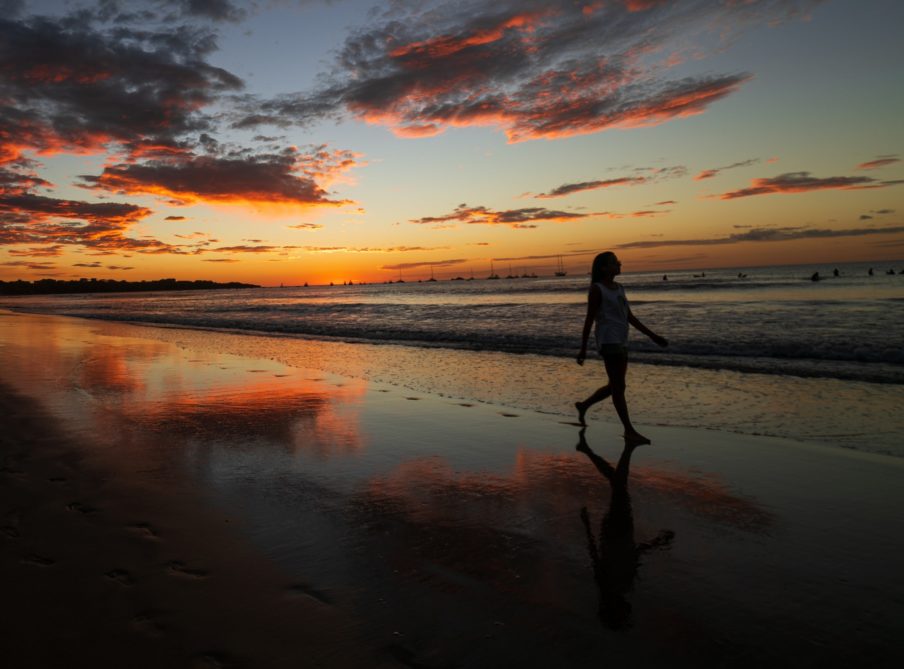

You arrive in Tamarindo and step onto the warm sand, with the Pacific Ocean stretching out ahead. This beach town in Guanacaste draws people who want a mix of relaxation and adventure. As a first-time visitor, you get golden beaches, consistent waves for surfing, and chances to see monkeys and turtles up close.
Tamarindo sits on the Nicoya Peninsula, where the dry forest meets the sea. It started as a quiet fishing spot but grew into a spot for surfers and nature fans. You find a straightforward place to base your trip, with enough going on to fill a few days or a week.
Why Head to Tamarindo
Tamarindo works well if you like beaches that back right up to town. The main beach here has space for walks, and the water stays warm for swimming or paddling out on a board. Surfers come from all over because the waves suit beginners and pros alike. Beyond the surf, you spot wildlife in the mangroves or on boat trips. The town has a laid-back feel, with people riding bikes or walking between spots. You hear about the “Pura Vida” way of life here—simple and open.
First-timers often pick Tamarindo because it connects you to the rest of Guanacaste without much hassle. From here, you reach national parks or other beaches in under an hour. The area has shops for gear and spots to grab a meal after a day outside. If you want a break from bigger tourist areas, this town keeps things manageable. Locals mix with visitors, and the streets fill up in the evenings for people-watching.
How to Get to Tamarindo
Most people fly into Liberia’s international airport, about an hour’s drive north. From there, you take a shuttle, taxi, or rent a car along the paved road that runs straight to town. San Jose’s airport lies farther away, around four hours by car, but shuttles make the trip straightforward. Once you land, look for shared vans that drop you right in Tamarindo—many hotels arrange pickups.
If you drive, the route from Liberia passes through dry hills and small towns. Gas stations and simple eateries line the way. Public buses run from Liberia too, but they take longer and stop often. For ease, stick to a direct transfer your first time. Tamarindo has no airport, so plan the ground part ahead.
Where to Stay in Tamarindo
You have options from beachfront spots to quieter edges. The main area along the beach holds most hotels and rentals. Walk to the water or town from here. If you prefer less noise, check the north end near Playa Langosta—it’s a short stroll but feels removed from the busier stretch.
Boutique hotels offer rooms with ocean views and pools for downtime. Hostels suit solo travelers or groups who want shared spaces and kitchens. Vacation rentals give you a home base with space to cook. Look for places near the beach entrance for easy access, but away from the main road if you want quiet nights.
| Area | Pros | Cons |
|---|---|---|
| Main Beachfront | Close to action, waves, and eateries | Can get crowded, some noise |
| Playa Langosta | Calmer vibe, good for families | Short walk to town center |
| South End | Newer developments, pools | Farther from surf spots |
Pick based on your group—families might like spots with yards, while couples go for views.
What to Do in Tamarindo

Tamarindo packs in activities that keep you moving or chilling. Start with the beach itself. The main stretch has lifeguards and space for volleyball or just reading under a tree. Head north to Playa Langosta for smaller crowds and gentler waves. South, Avellanas draws boarders with its breaks, about a 20-minute drive.
Surfing tops the list here. Lessons run on the main beach, where instructors match your level. Beginners stand up on soft-top boards in shallow water. If you already ride, rent gear and hit the point breaks. Even non-surfers enjoy watching from the shore.
For wildlife, book a boat tour through the mangroves. You glide past roots and spot birds, crocodiles, and howler monkeys. The Las Baulas National Park nearby protects leatherback turtle nesting sites—night tours let you see them lay eggs from October to March. Keep distance and follow guides to avoid disturbing them.
ATV rides take you over dirt roads and through forests. You cover more ground and stop at viewpoints. Horseback trips follow trails to hidden beaches or rivers—morning rides beat the heat. Zip-lining happens at nearby spots like the Congo Canopy; lines run over the canopy for treetop views.
Water options include snorkeling trips to islands offshore. Catamarans sail out for half-days, with stops to swim among fish. Kayaking in the estuary lets you paddle quietly and watch birds. Fishing charters go for snapper or sailfish, depending on the season.
In town, browse shops for local crafts or surf wear. Art galleries show pieces from Guanacaste artists. Evenings bring live music at beach bars, where you sip drinks and catch sunsets. The sky turns orange over the water most days—grab a spot on the sand.
Day trips expand your options. Drive to Playa Conchal for shell beaches or Rincon de la Vieja for volcano hikes. Liberia’s markets lie an hour away for a change of pace.
| Activity | Duration | Best For |
|---|---|---|
| Surf Lessons | 2 hours | Beginners |
| Mangrove Boat Tour | 2-3 hours | Wildlife Spotters |
| ATV Ride | 3-4 hours | Adventure Seekers |
| Snorkel Trip | Half day | Water Lovers |
| Horseback Trail | 2 hours | Relaxed Explorers |
Mix a couple each day to balance rest and action.
Best Time to Visit Tamarindo
Aim for the dry season from December to April if you want clear skies and calm seas. Days stay sunny, with little rain to interrupt plans. Crowds pick up around holidays, but the town handles it.
Shoulder months like November or May offer a middle ground. Rain falls in short bursts, mostly afternoons, leaving mornings free. Fewer people mean easier bookings, and the landscape turns green from showers.
The rainy season runs May to November, peaking in October. You still get beach time, but pack for wet spells. Surf picks up then, with bigger swells for experienced riders. Turtle season overlaps with later months, adding a draw.
| Month | Weather | Crowds | Highlights |
|---|---|---|---|
| Dec-Apr | Dry, sunny (80-90°F) | Higher | Beach days, surfing |
| May-Jul | Some rain, warm | Medium | Green scenery, fewer people |
| Aug-Nov | Rainier, humid | Lower | Turtles, big waves |
Check forecasts close to your trip, as patterns shift year to year.
Weather in Tamarindo
Expect tropical conditions year-round—warm days and balmy nights. Temperatures hover between 80°F and 90°F during the day, dropping to the 70s at night. Humidity stays high, so light clothes and sunscreen go everywhere.
Dry months bring blue skies and steady breezes off the ocean. Rain rarely lasts long, even if clouds build. In the wet season, showers hit in the afternoon or evening, often clearing quickly. Mornings usually start dry.
Winds pick up in the afternoons, good for kitesurfing. The ocean warms to bath-like levels, around 80°F. Storms pass offshore most times, but watch for advisories. Pack layers for evenings and rain gear for wetter months. Hats and reusable water bottles help with the sun.
Eating and Drinking in Tamarindo
Food here leans fresh and coastal. Sodas—local diners—serve casados, plates with rice, beans, plantains, and fish or chicken. Grab ceviche from stands: raw fish marinated in lime with onions and cilantro.
Seafood dominates menus. Try grilled mahi-mahi or whole fried snapper at beach spots. International places offer pizzas, burgers, or Thai for variety. Vegan options pop up with gallo pinto or fruit smoothies.
Markets sell tropical fruits like papaya and mango. Coffee from nearby farms brews strong. For drinks, fresh juices or beers pair with meals. Bars line the beach for sunset cocktails—margaritas with local rum.
Eat early to beat crowds, and walk off meals along the shore. Ticos—locals—eat communally, so share plates if traveling with others.
Practical Tips for Your Trip
Rent a bike or scooter to get around town—roads are flat and short. Taxis wait at main spots for longer rides. Carry cash for small vendors, though cards work at bigger places.
Protect the environment: Use reef-safe sunscreen and skip single-use plastics. Stay on trails to avoid erosion. Mosquitoes bite at dusk, so bug spray helps. Health-wise, drink bottled water and peel fruits. Pharmacies stock basics. Internet runs reliable in town for stays connected.
If you drive, roads to beaches can get rutted after rain—go slow. Book tours through reputable outfits for safety. For families, beaches have shallow areas, but watch currents. Solo travelers find hostels with group activities.
Wrapping Up Your Tamarindo Stay
Tamarindo gives first-timers a solid intro to Costa Rica’s coast. You leave with stories of waves ridden, animals seen, and meals shared. It sets you up for more in Guanacaste or beyond. Plan around your interests—surf one day, explore the next. The town rewards those who take it easy and stay open to what comes.