
When you plan a trip to Costa Rica, thoughts of beaches, rainforests, and coffee tours likely come to mind before politics. Yet the country’s presidential elections offer a window into its stable government, which helps keep it safe and appealing for visitors.
Costa Rica runs fair and regular elections that reflect its long history as a democracy in Central America. If your travel dates line up with an election period, you might see campaign signs, hear debates on the radio, or notice changes in daily routines. This post explains the basics of how presidential elections operate, their schedule, and ways they could shape your experience on the ground.
How Presidential Elections Work in Costa Rica
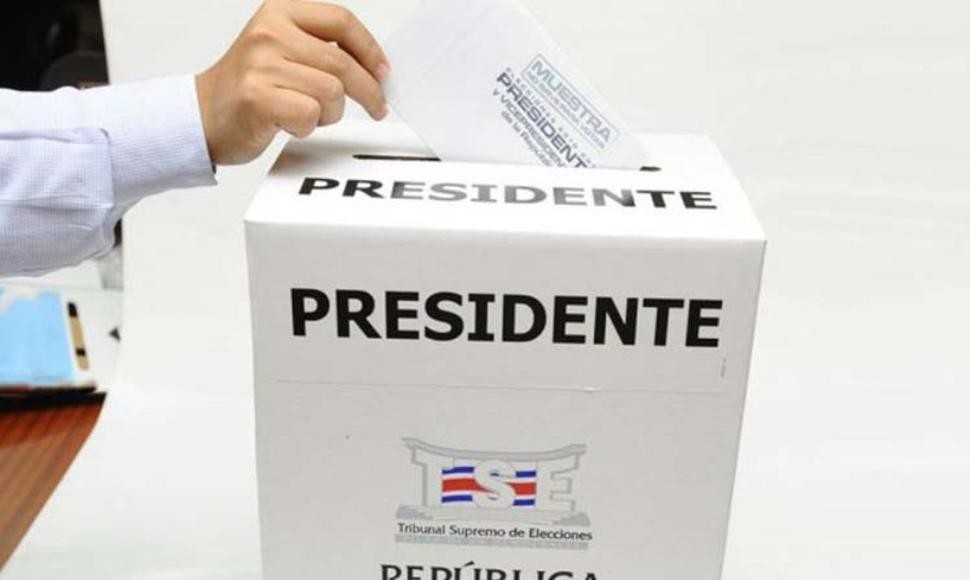
Costa Rica’s election setup keeps things straightforward and focused on the people. Voters choose the president, two vice presidents, and all 57 members of the Legislative Assembly in one go. The president serves as both head of state and head of government, handling everything from foreign policy to economic plans that can influence tourism taxes or park fees.
To win, a presidential candidate needs at least 40% of the votes in the first round. If no one hits that mark, the top two candidates face off in a second round. This runoff system has become common in recent years as more parties enter the race. Voters mark paper ballots at polling stations, and the process stays manual to cut down on errors or disputes. The Supreme Electoral Tribunal, an independent body, oversees everything to ensure transparency.
Citizens aged 18 and up must vote by law, though the rule isn’t strictly enforced—no fines for skipping. Foreign residents and tourists can’t participate, of course. Elections highlight Costa Rica’s emphasis on equality; women have voted since 1949, and the system pushes for gender balance in candidate lists.
The Election Timeline and Cycle
Elections happen every four years, locked into a fixed schedule. The main voting day falls on the first Sunday in February, with a possible runoff on the first Sunday in April. This timing avoids the peak rainy months, making it easier for people to get to polls across the country.
Here’s a quick look at recent and upcoming election years:
| Year | Key Details |
|---|---|
| 2014 | José María Figueres of the National Liberation Party won without a runoff. |
| 2018 | A runoff in April led to Carlos Alvarado Quesada’s victory for the Citizens’ Action Party. |
| 2022 | Rodrigo Chaves of the Social Democratic Progress Party won after an April runoff. |
| 2026 | Set for February 1, with a potential April runoff. |
| 2030 | Expected on the first Sunday in February. |
This four-year cycle means presidents can’t run for back-to-back terms, though they can try again after sitting out one cycle. Campaigns kick off about a year ahead, with ads, rallies, and debates ramping up in the months before February. By May, the new president takes office, and any policy shifts start to roll out.
If you’re timing a trip, check if your dates overlap with February or April in an election year. The process wraps up quickly, so impacts on travel tend to stay short.
Major Political Parties and Trends
Costa Rica once had a two-party setup, but now it’s a mix of groups with different focuses. The National Liberation Party (PLN), founded in the 1940s, often pushes for social programs and has roots in education and health reforms. The Social Christian Unity Party (PUSC) leans conservative, emphasizing family values and business growth.
Newer parties have shaken things up. The Citizens’ Action Party (PAC) gained ground in the 2010s with anti-corruption stances. More recent ones, like the Social Democratic Progress Party (PPSD), focus on economic fixes and cutting red tape. Religious and environmental groups also field candidates, reflecting debates on issues like same-sex marriage or conservation.
Voter turnout hovers around 60-70%, showing solid engagement. Trends show a move away from old giants toward fresh voices, often tied to economic worries or crime rates. For travelers, these shifts can mean changes in entry rules, park access, or safety measures—though Costa Rica’s core policies on eco-tourism and foreigner welcomes rarely flip drastically.
How Elections Affect Daily Life and Travel
Elections bring energy to Costa Rica without much disruption. Campaigns fill streets with posters and trucks blaring music, but rallies stay peaceful compared to other countries. Locals discuss candidates over coffee, and you might catch a debate in a soda (a small eatery) or hear speeches in town squares.
On election day, things slow down. Polls open early, and many businesses shut so workers can vote. Public transport runs, but with lighter schedules. A key rule: the “dry law” bans alcohol sales, usually from the day before voting until the day after. Bars, restaurants, and stores can’t sell beer, wine, or spirits, though hotels sometimes serve guests in rooms. If you plan a night out, stock up ahead or opt for non-alcoholic options like fresh fruit shakes.
Tourism flows on, but some spots adjust. National parks and beaches remain open, but guided tours might pause if operators vote. Traffic can snag near polling sites, especially in San José or provincial capitals like Alajuela. In rare cases, debates over social issues—like in 2018—spark brief protests, but they seldom affect remote areas popular with visitors, such as Manuel Antonio or Arenal.
Long-term, election outcomes shape travel perks. A pro-environment president might expand protected areas, adding new hiking spots. Economic-focused leaders could improve roads or airports, easing trips from San José to the coasts. Crime policies matter too; stronger security can make solo travel feel safer.
Tips for Travelers During Election Season
If your visit coincides with elections, a few steps can keep things smooth:
- Monitor dates: Check the Supreme Electoral Tribunal’s site or news apps for exact voting days. Plan flexible itineraries around February or April.
- Stay informed: Follow local English-language outlets like The Tico Times for updates. Apps like Waze help avoid rally traffic.
- Respect the process: Avoid joining crowds if you’re wary, but feel free to chat with locals about it—they’re often proud of their system.
- Pack alternatives: With the dry law in play, bring your own drinks if allowed, or try Costa Rica’s great coffee and juices.
- Book ahead: Flights and hotels fill up if locals travel to vote in hometowns, especially from cities to rural areas.
- Consider off-peak: If elections worry you, aim for May to November, when the new government settles in and rain brings fewer crowds.
Overall, elections showcase Costa Rica’s calm approach to change, which bolsters its rep as a hassle-free destination.
Why Costa Rica’s Democracy Draws Visitors
Part of what makes Costa Rica stand out for travelers is its solid government. No army since 1948 means funds go to schools, health, and parks—key for eco-adventures. Elections reinforce this stability, drawing people who value ethical spots over risky ones. Visitors often note how the democratic vibe adds to the relaxed feel, from friendly customs agents to well-marked trails.
In a region with ups and downs, Costa Rica’s consistent voting record signals reliability. Policies from past elections, like carbon-neutral goals, have built its green image, pulling in nature lovers year-round.
Wrapping Up: Elections as Part of the Costa Rican Story
Presidential elections in Costa Rica blend into the country’s fabric without overwhelming it. They happen reliably every four years, involve a fair process, and lead to leaders who keep tourism thriving. Whether you catch the buzz of a campaign or visit post-vote, knowing the basics helps you appreciate the place more. Costa Rica’s elections underline its peaceful nature, making it a smart pick for your next getaway.