
If you live in Costa Rica, are planning to move here, or even just visit often, you need reliable news. Not rumors on Facebook. Not half-translated headlines. Real reporting that helps you understand what’s actually happening.
Costa Rica moves fast for a small country. Exchange rates shift. Tourism numbers change. Residency rules get updated. Protests block highways. Environmental issues surface quietly and then suddenly matter a lot. If you’re relying on random social posts, you’re going to miss context.
Here’s where to get your news about Costa Rica — and why one source consistently stands out.
The Tico Times: Costa Rica News in English That Actually Explains What’s Going On
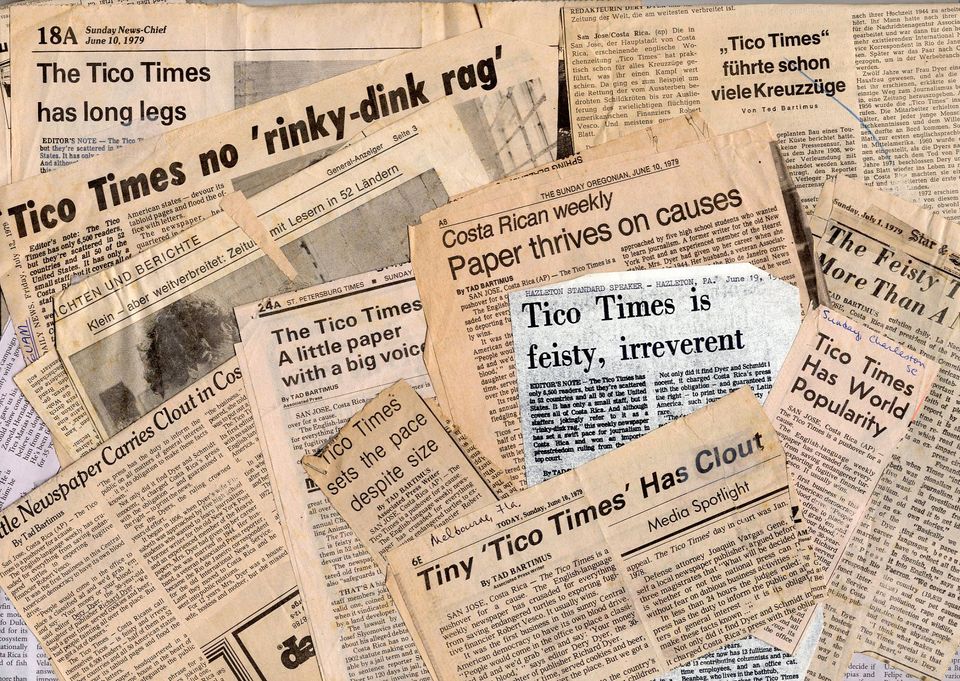
Founded in 1956, The Tico Times is the longest-running English-language news outlet in Costa Rica. It started as a print paper and is now fully digital, but its focus hasn’t changed: serious reporting about Costa Rica for English-speaking readers.
Why it matters:
- It’s written in English, not auto-translated. That alone avoids a lot of confusion.
- It provides context. A policy change isn’t just announced; it’s explained.
- It covers what expats and travelers care about. Immigration updates, tourism trends, crime reports, environmental news, economic shifts.
- It reports beyond headlines. You get follow-ups and analysis, not just quick blurbs.
For expats, it fills the gap between Spanish-language local media and international outlets that barely cover Costa Rica at all. If you want one daily habit that keeps you informed here, make it checking The Tico Times.
Spanish-Language News Sources (If You Read Spanish)
If you’re fluent in Spanish, you can go straight to local media:
- La Nación
- CRHoy
- Diario Extra
- Teletica Noticias
These outlets break stories quickly and cover politics, crime, and local issues in depth. The challenge for many expats is language and nuance. Legal or political reporting can be hard to interpret if Spanish isn’t your first language.
That’s where The Tico Times becomes valuable again: it filters and translates what actually affects English-speaking residents and travelers.
Social Media Groups: Useful, But Not Reliable
Facebook groups for expats in places like Tamarindo, Atenas, or Escazú can be helpful for local chatter. You’ll see posts about road closures, police activity, or sudden power outages.
The problem:
- Information is often incomplete.
- Context is missing.
- Rumors spread fast.
Social media works best as a supplement, not your primary source. If you see something concerning posted in a group, check The Tico Times to see if there’s verified reporting behind it.
International Media: Limited Coverage
If you rely on major U.S., Canadian, or European outlets for your news, you’ll only see Costa Rica when something dramatic happens. A presidential election. A major crime story. A hurricane. A high-profile environmental dispute. That’s usually the threshold.
Day-to-day developments rarely make it onto the radar of international editors.
You won’t see regular reporting about exchange rate swings between the dollar and the colón. You won’t get updates on residency backlogs, municipal construction delays, water rationing in certain regions, or incremental changes to tourism policies. These stories matter if you live here. They just don’t register globally.
Even when Costa Rica is covered abroad, the reporting is often framed for an outside audience. The angle might focus on how events affect U.S. investors or regional geopolitics rather than how policy shifts affect residents, retirees, or small business owners on the ground.
There’s also the issue of nuance. International coverage tends to compress complex local issues into short summaries. A crime spike becomes a headline without context about geography or trends. A political reform is mentioned without explaining how it changes daily life.
That doesn’t mean international media is useless. It can provide a broader regional or economic perspective. But it’s not designed to keep you informed about the details that shape living in Costa Rica.
If you’re serious about understanding the country — not just visiting it — you need reporting that operates from inside Costa Rica, not from thousands of miles away.
What Makes The Tico Times Different
Here’s what separates The Tico Times from simply “English summaries” of Spanish stories:
1. It’s Built for Expats and Travelers
Most Costa Rica news is written for a domestic audience. That means context is assumed, legal references are abbreviated, and local shorthand is common. The Tico Times approaches stories from the perspective of someone who lives here but didn’t grow up here, translating not just language, but meaning.
Stories are written with your perspective in mind:
- What does this policy mean for residency applicants?
- How does a falling dollar affect your spending power?
- Is this crime trend isolated or part of a larger pattern?
- Will this road closure affect tourism areas?
That filter saves you time.
2. It Covers the Issues That Directly Affect Daily Life
National headlines matter, but daily life is shaped by smaller policy shifts and economic signals. Exchange rates, tourism trends, immigration changes, and infrastructure projects all ripple outward. The Tico Times focuses on the practical impact of these developments, not just the announcement
Regular coverage includes:
- Exchange rate movements
- Tourism industry trends
- Crime and safety updates
- Environmental and conservation news
- Infrastructure and transportation changes
- Political decisions that impact foreigners
You’re not digging through local jargon to find what applies to you.
3. It Has History
Costa Rica’s stability didn’t happen overnight. Political reforms, environmental policy, and tourism growth have evolved over decades. Because The Tico Times has been reporting since 1956, it connects current events to long-term patterns in a way newer outlets simply can’t.
The Tico Times has covered:
- Civil conflicts in Central America
- Economic transitions
- Tourism booms
- Environmental reforms
- Major political shifts
That institutional memory matters. It allows reporting to connect today’s events with past patterns.
If You’re Moving to Costa Rica, This Is Non-Negotiable
If you’re planning to relocate, retire, invest, or spend part of the year here, staying informed isn’t optional. Costa Rica is stable and relatively transparent, but rules shift, enforcement tightens, and economic conditions move. You don’t want to learn about changes after they affect you.
Residency requirements, for example, evolve. Income thresholds, document rules, processing times, and digital appointment systems can change quietly. If you’re applying under Pensionado, Rentista, or another category, missing an update can mean delays, extra costs, or a rejected application.
The same goes for taxes and banking. Costa Rica operates under a territorial tax system, but enforcement and reporting expectations have become more structured in recent years. If you’re buying property, opening a corporation, or running a rental, you need to understand what’s required now, not what someone told you two years ago in a Facebook group.
Infrastructure also matters more than people expect. A new highway, airport expansion, water restriction, or road closure can affect property values and rental demand. Tourism patterns shift regionally. An area that was booming last year might slow down if flight routes change or if cruise schedules are reduced.
Then there’s safety. Costa Rica remains safer than many countries in the region, but crime trends fluctuate. Being informed doesn’t mean being alarmed. It means knowing which incidents are isolated and which reflect broader patterns so you can make practical decisions about where to live and how to operate.
Healthcare, labor rules, environmental regulations, and municipal policies also affect day-to-day life. Water permits. Construction approvals. Vehicle import rules. All of these are subject to updates that don’t always make international headlines.
If you’re making a long-term move, treat news like a utility. You wouldn’t move somewhere without knowing how to access water or electricity. Reliable reporting is just as foundational. Checking The Tico Times regularly keeps you ahead of changes instead of reacting to them after the fact.
Best Way to Stay Updated
Here’s a simple system:
- Bookmark The Tico Times.
- Check the homepage once a day.
- Follow its social channels for breaking stories.
- Use Spanish outlets for deeper local detail if you’re fluent.
That combination gives you speed, context, and perspective.
Final Word
Costa Rica is stable, democratic, and generally well-run. But it’s still a country with changing laws, economic shifts, and real local issues. If you care about living here intelligently — not just enjoying the beaches — you need reliable news.
Start with The Tico Times. Then build outward if you want more depth. But make it your foundation.