
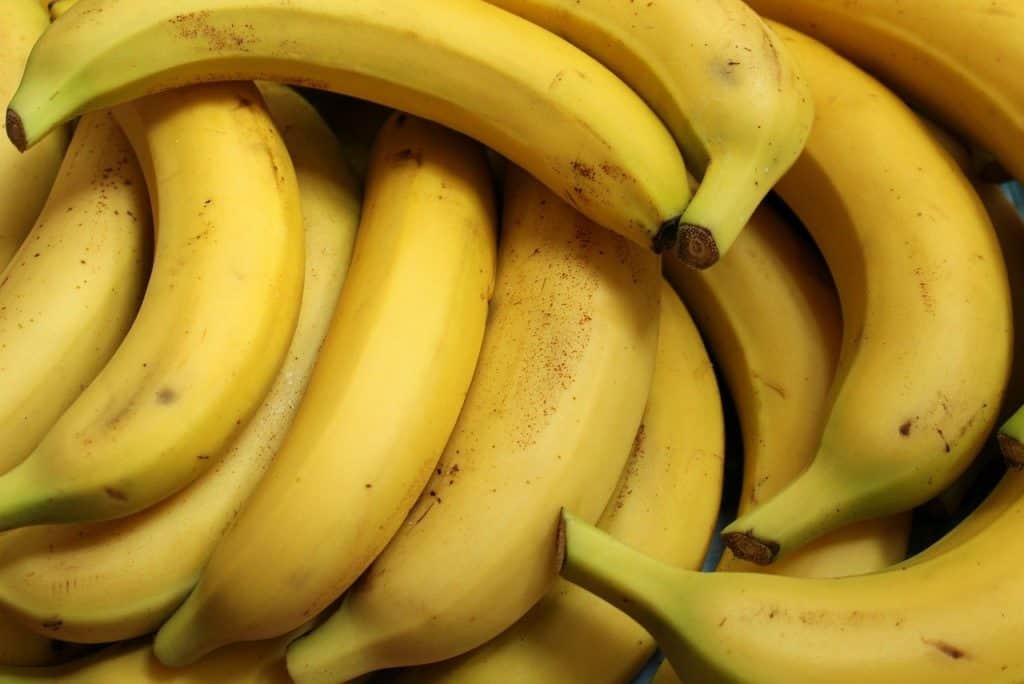
Most of Costa Rica’s bananas grow on large plantations in the Caribbean lowlands, in Limón province around Matina, Siquirres, Guápiles, the Estrella Valley, and along the Sixaola River, and in the Sarapiquí region. Costa Rica is one of the world’s largest banana exporters, and bananas rank among its most important exports.
Bananas also shaped the country’s history, from the railroad to the Caribbean coast to the rise of the United Fruit Company. Here’s where they grow, how the industry began, which bananas you’ll find, and how to visit a working plantation.
Costa Rica’s Banana-Growing Regions
The banana industry was born on the Caribbean coast in the late 1800s, and that’s where most export plantations are today: the flat, wet lowlands of Limón province and the neighboring Sarapiquí region, where hot weather, heavy rain, and fertile river soils suit the plants.
For several decades in the 20th century, the industry shifted to the southern Pacific coast. Disease and worn-out soils pushed companies to plant new farms around Quepos and Golfito, which grew into banana towns. Disease eventually reached those plantations too: after Panama disease hit Quepos in the 1940s, much of the land there was replanted with African oil palm, which still lines the highway today. Bananas are still grown in the south, but the Caribbean side dominates.
Alongside the big export farms, small growers across the country raise bananas and plantains for local markets, often mixed with coffee, cacao, or other crops.
History of Banana Plantations in Costa Rica
Bananas aren’t native to the Americas; they originated in Southeast Asia. Costa Rica’s banana industry began with a railroad. In 1871, American railroad builder Henry Meiggs won a government contract to connect San José with the Caribbean port of Limón, and his young nephew, Minor Cooper Keith, came to help. Keith took over the project after Meiggs died in 1877.
Building the line through jungle and swamp took nearly two decades and thousands of workers, many of them from Jamaica, whose descendants shaped the Afro-Caribbean culture of the coast. Keith planted bananas along the tracks to feed workers and generate cargo, and when the railroad was finished in 1890, bananas became his business. In 1899, his banana company merged with the Boston Fruit Company to form the United Fruit Company, with Keith as vice president. United Fruit, later the company behind the Chiquita brand, came to dominate bananas across Central America.
The industry wasn’t always smooth. Plant disease repeatedly forced companies to abandon land, and in the 1930s banana workers organized major strikes over pay and conditions, pushing the companies to make concessions. Other multinationals, including the companies behind the Dole and Del Monte brands, later joined Chiquita in Costa Rica, and alongside local producers they made the country one of the world’s top banana exporters. The history of the Caribbean coast is closely tied to this story; see our guide to Limón.
Costa Rica’s Banana Varieties
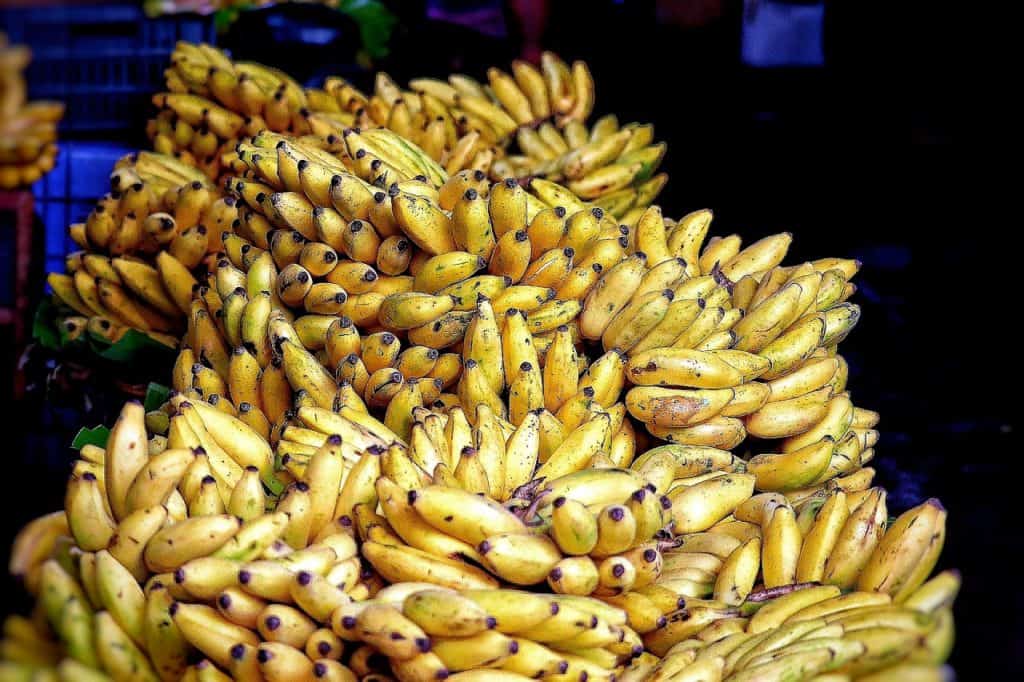
There are hundreds of banana varieties worldwide, but only a few matter for Costa Rica.
- Cavendish (Grand Nain, or Gran Enano): the export banana you buy at home. Grand Nain is the main Cavendish type grown on Costa Rica’s plantations; its Spanish name, Gran Enano, means “giant dwarf,” a nod to its short but sturdy plant. It’s productive and ships well, but like all Cavendish bananas it is vulnerable to disease, which is why plantations work hard to control it.
- Plátanos (plantains): larger, starchier cooking bananas, served fried ripe and sweet with a casado or smashed and fried green as patacones.
- Dátiles: small, very sweet finger bananas sold at markets and roadside stands.
- Cuadrados: stubby, square-sided cooking bananas, usually boiled green and added to soups and picadillos.
Visiting a Banana Plantation
Several working plantations in the Caribbean lowlands offer tours, and banana farm visits are a common shore excursion from the Puerto Limón cruise port. Many travelers also pass endless banana fields on the road to Tortuguero; see our guide to getting to Tortuguero.
On a typical tour you’ll walk the rows of plants, see how each plant produces a single bunch before it’s cut, and watch bunches glide along overhead cable lines to the packing plant, where workers wash them, cut them into clusters, label them, and box them for export. You’ll also notice the plastic bags, often blue, wrapped around growing bunches; they protect the fruit from insects, birds, and scratches as it ripens.
Banana Plantation FAQ
Where are bananas grown in Costa Rica? Mostly in the Caribbean lowlands of Limón province and the Sarapiquí region, with smaller production elsewhere.
Can I tour a banana plantation? Yes. Tours run at working farms in the Caribbean lowlands, and they’re a popular excursion from the Puerto Limón cruise port.
Why are bananas covered with blue bags? The bags protect the growing bunches from insects, birds, and scratches so the fruit reaches markets unblemished.
Do Costa Ricans eat bananas differently? Very much so. Ripe plantains are a standard side with lunch, green plantains become patacones, and green bananas go into soups and picadillos. You’ll also find bananas in desserts and smoothies. Try plantains with gallo pinto at breakfast.
Bonus: Banana Bread Recipe
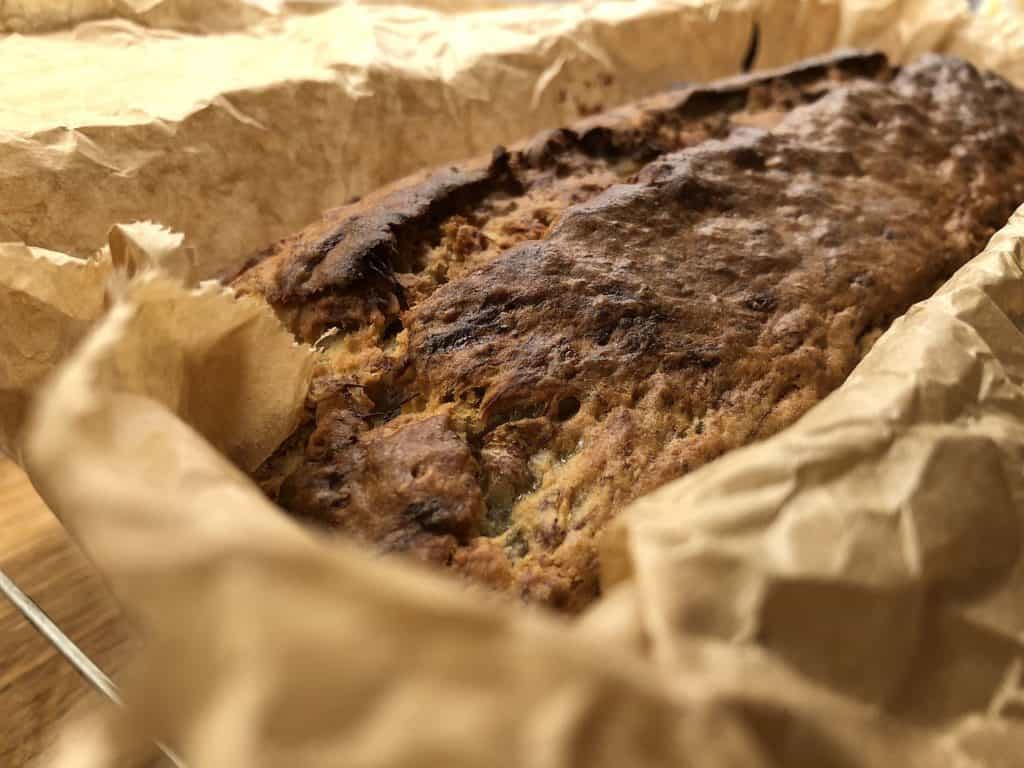
Ingredients
- 2 cups flour
- 1 1/2 cups walnuts, chopped
- 3/4 cup sugar
- 1 tsp. baking soda
- 1/2 tsp. salt
- 3 ripe bananas
- 1/4 cup plain yogurt
- 2 large eggs, beaten
- 3/4 stick butter, melted
- 1 tsp. vanilla extract
- 1 tsp. cinnamon
Directions
- Sift flour, baking soda, salt, and cinnamon into a medium bowl.
- Whisk in sugar.
- In a large bowl, mash the bananas well, then add yogurt, eggs, vanilla, and butter and mix well with a fork.
- Fold in the dry ingredients and walnuts with a rubber spatula until combined; the batter will be thick and chunky.
- Bake in a buttered and floured 9-by-5-inch loaf pan at 350°F for 50 to 55 minutes.
- Allow to cool, slice, and serve.
Thanks to WeAreCocina for the recipe.