
Lomas Barbudal Biological Reserve is a small, quiet tropical dry forest reserve in Guanacaste, between Liberia and Bagaces, best known for about 250 species of bees, good birding and the white-faced capuchins studied there since 1990. It’s open daily from 7 a.m. to 4 p.m., foreign visitors pay about $10, and three short trails follow the Río Cabuyo to a swimming hole and a small waterfall. The last stretch is about 7 km of dirt road, so a high-clearance vehicle helps, especially in the rainy season. Go early, bring plenty of water and check for wildfire closures in the dry season.
This guide to Lomas Barbudal Biological Reserve is for travelers in northern Guanacaste looking for an uncrowded nature stop. It covers what you’ll see, how to get there, the trails, when to go and how it fits into a Liberia-area itinerary.
| Lomas Barbudal | At a glance |
|---|---|
| Location | Between Liberia and Bagaces, Guanacaste |
| Hours | Daily, 7 a.m. to 4 p.m. |
| Entrance fee | About $10 for foreign visitors |
| Access | About 7 km of dirt road; 4×4 or high clearance recommended |
| Trails | Three; the main loop to the waterfall is about 2.4 km |
| Highlights | Dry forest, bees, birds, capuchins, river swimming |
| Facilities | Ranger station with small displays; no food or shop |
| Crowds | Very light |
The reserve
What Is Lomas Barbudal Biological Reserve?
Created in 1986, Lomas Barbudal protects about 2,600 hectares of tropical dry forest, along with strips of greener riverside forest along the Río Cabuyo and its springs. It’s managed by SINAC, Costa Rica’s national conservation system, as part of the Arenal Tempisque Conservation Area. Tropical dry forest was once common along Central America’s Pacific side, and much of it was cleared for cattle ranching, which is why protected patches like this one matter.
The reserve’s best-known residents are insects. About 250 bee species have been recorded here, along with many wasps, moths and butterflies. Birders come for species such as scarlet macaws, trogons, motmots and great curassows, and mammals include howler and white-faced monkeys, agoutis and pacas. Big trees are another draw: mahogany, rosewood and ron-ron, a dry-forest hardwood.
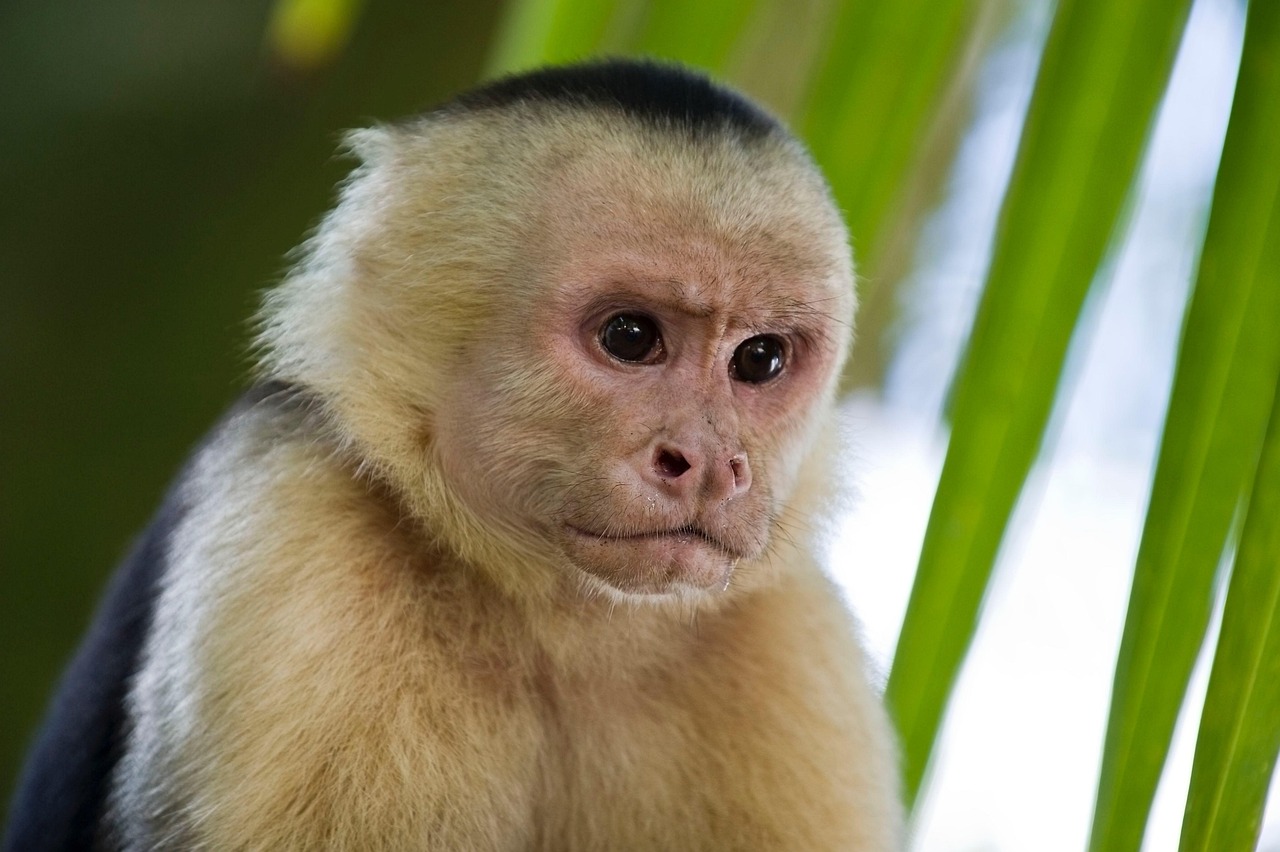
Lomas Barbudal is also a research site. The Lomas Barbudal Monkey Project, led by UCLA primatologist Susan Perry, has studied the reserve’s white-faced capuchins since 1990. See our guide to spotting white-faced monkeys.
Who it suits
Who Should Visit, and Who Can Skip It
Good fit
- Birders and wildlife watchers who prefer quiet trails to crowded parks. See our bird watching guide.
- Travelers based near Liberia looking for a half-day nature outing.
- Repeat visitors who want to see dry forest rather than rainforest.
Probably skip it
- Travelers without a suitable vehicle in the rainy season.
- Anyone who struggles with heat. Midday temperatures often reach the 90s °F (above 32°C), and some trail sections are exposed.
- Visitors expecting facilities, guided tours or guaranteed sightings. Animals see few people here and can be shy.
Getting there
How to Get to Lomas Barbudal
The reserve is off the Inter-American Highway (Route 1), south of Liberia. Drive about 14 km south from Liberia toward Bagaces and turn west near the village of Pijije, then follow about 7 km of dirt road to the ranger station. The road is mostly flat but steep near the end. The turnoff is easy to miss, and navigation apps don’t always route correctly, so check a map before you leave and confirm directions locally.
A 4×4 or high-clearance vehicle is recommended, especially in the rainy season. If the last section looks rough, park at the top and walk down to the ranger station. Liberia’s airport is about 40 minutes away by car, so the reserve also works on an arrival or departure day. See our airport guide and Costa Rica driving guide.
Trails
Lomas Barbudal Trails
- Sendero Gigantes del Bosque: the shortest and flattest trail, about 15 minutes from the ranger station to a river pool, past some of the reserve’s largest trees.
- Sendero Catarata: about 2.4 km along the Río Cabuyo to a small waterfall, about 3.7 meters (12 feet) high, with a swimming spot at its base. It loops back to the Gigantes trail. Some sections are rocky and the bridges can be in poor repair.
- Sendero Carablanca: branches off the Catarata trail to viewpoints across hotter, drier forest.
Allow about three hours for the first two trails and another hour for the third. A trail map is posted at the ranger station, where small displays cover the area’s wildlife and history. For more trail ideas, see our Costa Rica hiking guide.
Timing
Best Time to Visit Lomas Barbudal Biological Reserve
- Dry season (about December to April): easier road access and wildlife concentrated near water. Even late in the dry season, the riverside forest stays green while the surrounding hills turn brown. Yellow corteza amarilla trees bloom around March.
- Rainy season (about May to November): greener forest and fewer dusty trails, but more mosquitoes and a rougher access road.
- Time of day: arrive at 7 a.m. for cooler temperatures and the most active wildlife.
See our guide to the best time to visit Costa Rica by region.
Pack
What to Bring
- At least a liter of water per person, plus snacks. The nearest shop is back at the highway.
- Closed shoes with grip for rocky river sections, and sandals or water shoes for swimming.
- Insect repellent, sunscreen and a hat.
- Binoculars for birds and monkeys.
- Cash in small bills, in case card payment isn’t available.
Nearby
Combine Lomas Barbudal With Nearby Stops

- Llanos de Cortés waterfall near Bagaces, for a swim after the trails.
- Palo Verde National Park, for boat tours and wetland birds on the Tempisque River. See our wetlands guide.
- Santa Rosa National Park, north of Liberia, for more dry forest and history.
- Rincón de la Vieja and Miravalles volcanoes. See our guide to volcanoes in Costa Rica.
For more on the region, see our guide to Guanacaste culture and history and our Costa Rica ecotourism guide.
Avoid
Common Mistakes to Avoid
- Arriving at midday, when it’s hottest and wildlife is least active.
- Trusting a navigation app without checking the route.
- Taking a low car down the dirt road in the rainy season.
- Bringing too little water.
- Skipping the fire check in the late dry season.
FAQ
Lomas Barbudal: FAQ
Where is Lomas Barbudal Biological Reserve?
In Guanacaste, between Liberia and Bagaces. The access road leaves the Inter-American Highway near the village of Pijije.
How much does it cost to visit Lomas Barbudal?
About $10 for foreign visitors. Fees can change, so bring a card and some cash.
What are Lomas Barbudal’s hours?
Daily from 7 a.m. to 4 p.m.
Do I need a 4×4 to visit Lomas Barbudal?
A 4×4 or high-clearance vehicle is recommended, especially in the rainy season. The last 7 km is dirt road with a steep section near the end.
Can you swim at Lomas Barbudal?
Yes, at river pools along the Río Cabuyo, including the base of the small waterfall on the Catarata trail.
What is Lomas Barbudal known for?
Tropical dry forest, about 250 bee species, good birding and a long-running study of white-faced capuchin monkeys.
The short version
Go early, with a high-clearance car and plenty of water.
Walk the Gigantes and Catarata trails, and swim in the Río Cabuyo.
Check for fire closures in the late dry season.