
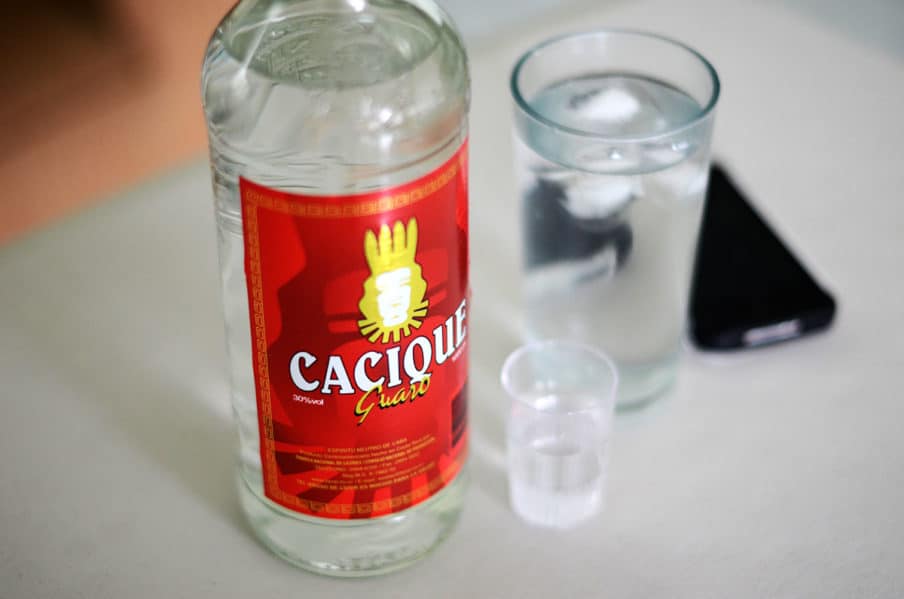
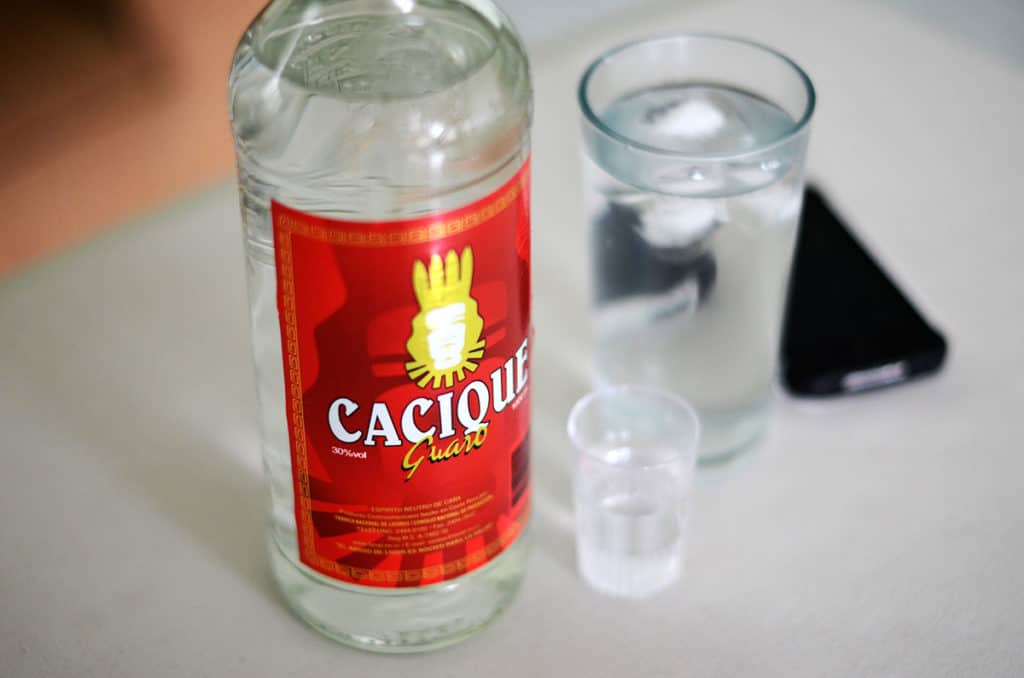
Cacique Guaro, Costa Rica’s beloved national liquor, is a clear spirit distilled from sugarcane juice, offering a subtly sweet flavor that sets it apart from other clear liquors like vodka or tequila. Known simply as “Guaro” to locals, this iconic drink is more than just a beverage—it’s a cornerstone of Costa Rican culture, woven into the fabric of social gatherings, celebrations, and even the nation’s economy. In this guide, we’ll explore the history, production, varieties, and cultural significance of Cacique Guaro, along with the best ways to enjoy it, whether you’re sipping it in a San José bar or mixing cocktails at home.
A Brief History of Guaro in Costa Rica
Guaro’s story begins in the colonial era, when sugarcane became a cash crop across Central America and the Caribbean. As sugar plantations flourished in Costa Rica’s fertile volcanic soil, locals discovered they could ferment and distill excess sugarcane juice into a potent spirit. Each region developed its own version of sugarcane liquor—rum in the Caribbean, aguardiente in Colombia, and Guaro in Costa Rica.
In its early days, Guaro was a homemade concoction, often dubbed “rural kitchen sink alcohol” or Costa Rica’s answer to moonshine. Produced in backyard stills, it was cheap, widely available, and wildly inconsistent. This lack of standardization posed serious risks, as improper distillation led to methanol poisoning, causing blindness or even death.
In 1850, the Costa Rican government stepped in to curb these dangers. Under President Juan Rafael Mora Porras, Executive Decree No. 99 centralized liquor production under state control, and in 1853 the Fábrica Nacional de Licores (FANAL), or National Liquor Factory, was created to support the sugarcane industry and protect public health from impure liquor. FANAL started out in San José and later moved to Grecia, northwest of the capital, where it still operates. The state-owned factory holds a monopoly on guaro and other spirits to this day, and its revenue supports farm programs and community groups.
The name “Cacique” arrived in August 1980, when FANAL began bottling its guaro under the brand. One inspiration was an excavation by the National Museum on FANAL’s land in Grecia, which uncovered the largest indigenous settlement yet found in the canton. To honor this find, FANAL named its guaro Cacique, meaning “leader of the tribe” in indigenous languages. The label, adorned with a native chief wearing a four-feathered headdress, earned the nickname “Cuatro Plumas” (Four Feathers) among locals—a playful nod to the iconic logo.
How Cacique Guaro Is Made
Crafting Cacique Guaro is a meticulous process that begins in the sugarcane fields of Guanacaste, a northwestern province known for its ideal growing conditions. Here, sugarcane is harvested and processed into a fermented liquid called “wash” or pre-processed alcohol. This raw material is transported to FANAL’s distillery in Grecia, where it undergoes distillation in column stills, reaching up to 96% alcohol by volume. The spirit is then diluted with water to achieve the desired strength, typically between 30% and 35% alcohol (60 to 70 proof), and filtered through activated carbon to enhance purity and smoothness.
After distillation, the Guaro is stored briefly—unlike rum, it requires no aging—and then bottled in FANAL’s automated facility. Machines fill, cap, and label each bottle, which is packaged in 365 ml plastic “pachitas,” 750 ml glass bottles, or 1-liter containers. The final product is shipped to warehouses and distributed to bars, restaurants, and stores across Costa Rica, where it’s a staple in every corner of the country.
Varieties of Cacique Guaro
FANAL makes two guaros under the Cacique name, distinguished by their label colors. (The Cacique Ron Colorado you may see on shelves is a rum-flavored product, not guaro.) The following table summarizes the differences:
| Variant | Label Color | Alcohol Content | Bottle Sizes | Notes |
|---|---|---|---|---|
| Guaro Cacique | Red | 30% (60 proof) | 365 ml, 750 ml, 1L | The classic, widely available version, often called “Pacha.” |
| Cacique Superior | Black | 35% (70 proof) | 365 ml, 750 ml | Higher purity, filtered through activated carbon for a smoother taste. |
The red-label Guaro Cacique is the most popular, known for its affordability and versatility. Cacique Superior, with its black label, is FANAL’s top-shelf guaro, aimed at drinkers who want a cleaner, more refined spirit.
Why Cacique Guaro Is So Popular
Cacique Guaro’s enduring popularity stems from its deep cultural roots and accessibility. For Costa Ricans, it’s more than a drink—it’s a symbol of national pride, often mentioned alongside coffee, soccer, and the “Pura Vida” lifestyle. Its affordability, with shots costing as little as $1 during happy hour in some bars, makes it a go-to choice for locals and tourists alike. The spirit’s neutral, slightly sweet flavor also makes it incredibly versatile, perfect for sipping neat or mixing into cocktails.
Despite its dominance, Cacique has faced challenges in recent years, including competition from cheaper contraband liquor and changing tastes among younger drinkers.
That contraband can be dangerous. In 2019, counterfeit liquor laced with methanol and sold under fake brands such as Guaro Montano and Guaro Gran Apache killed at least 25 people in Costa Rica and sent dozens more to the hospital. It’s why you should buy only sealed, FANAL-produced Cacique from reputable sources like supermarkets, liquor stores, or established bars. For travelers, this serves as a reminder to avoid unregulated vendors and stick to trusted establishments.
How to Enjoy Cacique Guaro
Guaro’s versatility shines in how it’s consumed. For purists, a chilled straight shot is the traditional way, often served with a salt or sugar rim and a lime wedge to enhance the experience. The spirit’s smoothness makes it approachable, though its potency—especially in the 70-proof Superior variant—demands respect. In bars, you might hear locals jokingly warn about Guaro’s sneaky strength, as its mild flavor can mask its kick, leading to one too many shots.
Cocktails, however, are where Guaro truly excels. The most famous is the Chiliguaro, Costa Rica’s answer to a Bloody Mary. This fiery shot combines Guaro with tomato juice, lime, hot sauce, and a dash of Lizano sauce, a tangy Costa Rican condiment. Every bartender has their own recipe, making Chiliguaro a must-try at different venues to discover your favorite. Other popular cocktails include:
- Guaro Sour: A refreshing mix of Guaro, lime juice, simple syrup, and club soda, served over ice—perfect for a beachside sunset.
- Guaro with juice: The way most Ticos actually drink it, mixed with fresh fruit juice or soda over ice.
- Coco Loco: Served in a fresh coconut, this indulgent drink mixes Guaro with coconut milk, rum, and fruit juices, often enjoyed frozen.
Make a Chiliguaro at home: Blend tomato juice with a splash of guaro, fresh lime juice, a little chopped onion, sweet red pepper, and cilantro, plus a few drops of Salsa Lizano and hot sauce and a pinch of salt and pepper. Strain, chill well, and serve in shot glasses. Adjust the guaro and heat to taste.
For those looking to recreate these at home, Cacique Guaro is available at Costa Rican supermarkets and duty-free shops, though it’s not widely sold outside the country. Be cautious when packing it for travel, as U.S. TSA regulations may flag large bottles in carry-ons, requiring checked luggage.
Cacique Guaro in Modern Costa Rica
In recent years, Guaro has seen a renaissance, with mixologists elevating it from a working-class staple to a craft cocktail star. Cocktail bars in San José now infuse guaro with herbs, chiles, and tropical fruit, and some have reinvented the Chiliguaro with house-made infusions. This trend aligns with Costa Rica’s booming craft beer scene, positioning Guaro as a potential global spirit, much like tequila or mezcal. However, FANAL’s monopoly limits experimentation, as other distilleries must seek special concessions to produce their own versions.
Despite its cultural significance, Cacique Guaro isn’t without critics. Some compare it to “poor man’s vodka,” citing its neutral flavor, while others lament missed opportunities to market it as a premium brand, like Nicaragua’s Flor de Caña rum. Still, for most Costa Ricans, guaro remains a source of pride, a cheap and cheerful way to toast to pura vida.
Tips for Enjoying Guaro as a Traveler

If you’re visiting Costa Rica, sampling Cacique Guaro is a must. Stick to reputable bars, restaurants, or hotels to ensure you’re getting authentic, safe Cacique. For a bottle to take home, shop at supermarkets like Auto Mercado or at duty-free shops in the airport (see our airport guide), and check your airline’s and home country’s liquid and alcohol rules. At bars, check whether the 10% service charge is already on the bill before tipping; our tipping guide explains. When ordering cocktails, don’t be afraid to ask bartenders about their Chiliguaro recipe—engaging with locals can lead to memorable experiences and insider tips.
For the adventurous, try Guaro at a beach bar in Playa Flamingo or a rooftop lounge in San José to soak in the full Costa Rican vibe. Just pace yourself—Guaro’s smooth taste can sneak up on you, and nobody wants a hangover to derail their tropical adventure.
Cacique Guaro is more than a drink; it’s a taste of Costa Rica’s history, resilience, and zest for life. Whether you’re downing a Chiliguaro shot or sipping a Guaro Sour by the beach, you’re taking part in a tradition that has been bringing Ticos together for more than 170 years. Pair it with the dishes in our Costa Rica food guide, raise a glass, and say “¡Salud!”
Guaro FAQ
What is guaro? A clear liquor distilled from sugarcane. In Costa Rica, the best-known brand is Cacique, made by the state-owned National Liquor Factory (FANAL).
Is guaro the same as rum? No. Both come from sugarcane, but guaro is a neutral, unaged spirit closer to vodka in character, while rum is usually aged and darker in flavor.
How strong is Cacique guaro? The red-label Guaro Cacique is 30% alcohol by volume, or 60 proof, milder than most vodka. It’s smooth, which is exactly why it sneaks up on people.
Can I take guaro home? Yes. Buy sealed bottles at a supermarket or the airport duty-free shop, pack them in checked luggage or keep duty-free bottles in their sealed bag, and check your home country’s customs allowance.
Is cheap, unbranded guaro safe? Don’t risk it. Counterfeit liquor laced with methanol killed at least 25 people in Costa Rica in 2019. Stick to sealed FANAL bottles from supermarkets and reputable bars.