
Costa Rica’s green season, the rainy months from about May to November, has real advantages. Hotels and tours are often cheaper, parks are quieter, and the forest is at its greenest. It’s also the season for sea turtle nesting, the southern humpback whales and full waterfalls and rivers. Most days start sunny, with rain building in the afternoon, so you can do outdoor plans in the morning. The trade-offs are real too: September and October bring heavy rain to the Pacific side and the mountains, dirt roads get rough, and some tours and trails close after storms. For the best mix of weather and value, aim for May to August, especially the short dry spell around July.
This guide is for travelers deciding if a green-season trip makes sense. It covers the main advantages, the downsides worth planning around and which months and regions work best.
| Green season | At a glance |
|---|---|
| Months | About May to November |
| Typical day | Sunny morning, afternoon showers |
| Best months | May to August, especially the late June–July dry spell |
| Wettest | September and October on the Pacific side and in the mountains |
| Good alternative in Sept–Oct | The Caribbean coast, often at its driest |
| Wildlife highlights | Turtle nesting, humpback whales, frogs |
| Busy weeks | The two-week Costa Rican school break in early July |
Advantages
10 Advantages of Green Season Travel in Costa Rica
1. Lower prices
The dry season, December to April, is Costa Rica’s high season. In the green season, many hotels lower their rates and run promotions, and flights are often cheaper outside the July and Christmas holidays. Rental cars and popular tours are also easier to book on short notice. See our tips on finding cheap flights to Costa Rica.
2. Fewer crowds
Outside the early-July school break, national parks, beaches and popular tours are noticeably quieter. You’ll have more space on trails at Manuel Antonio or Arenal, and smaller groups on tours.
3. The greenest scenery
After the first rains in May, the forest fills out fast. Guanacaste’s dry forest, brown and dusty by April, turns green within weeks, and the cloud forests and rainforests look their best.
4. Sea turtle nesting
Green turtles nest at Tortuguero on the Caribbean coast from about July to October, and the olive ridley mass nestings called arribadas at Ostional peak around September and October. Both are green-season events. See our guide to sea turtle nesting sites.
5. Humpback whales
Humpbacks from the Southern Hemisphere visit the South Pacific coast from about July to November, peaking around August to October, with Marino Ballena National Park near Uvita the main viewing area. See our whale watching guide.
6. Frogs and other wildlife

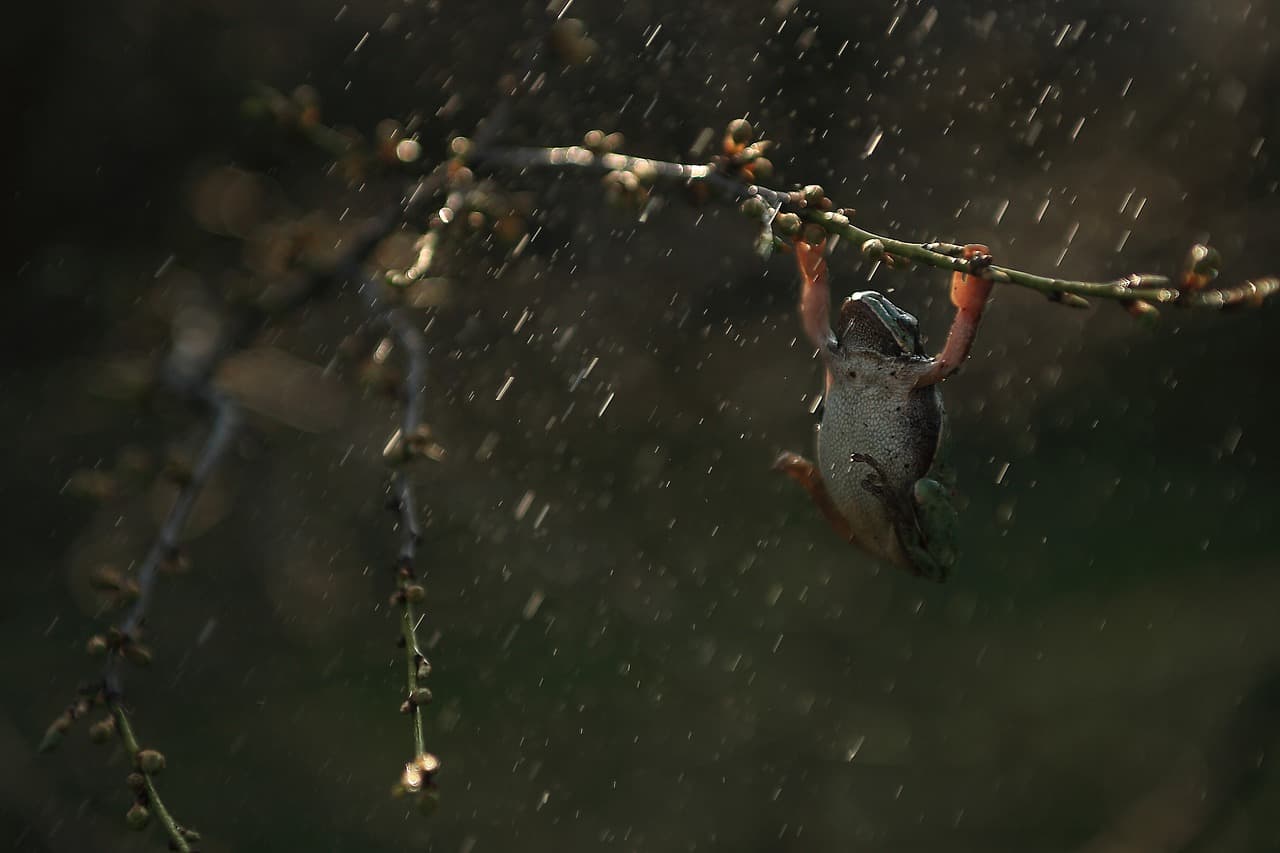
Frogs are most active in the rainy season, which makes guided night walks especially good. Sloths, monkeys and toucans are around all year. See our wildlife calendar.
7. Fuller waterfalls
Waterfalls that shrink late in the dry season, especially in Guanacaste, run strong again in the rainy months. One caution: heavy rain turns rivers brown and can close waterfalls for safety, and Río Celeste loses much of its blue color after storms. See our guide to Río Celeste.
8. Better whitewater

Higher water makes rivers such as the Pacuare and Sarapiquí more exciting. Operators adjust or cancel trips when levels get too high. See our white water rafting guide.
9. Consistent Pacific surf
The rainy months bring more consistent swells to much of the Pacific coast, which experienced surfers look for. Beginners should stick to lessons at sheltered breaks, and everyone should know how to handle rip currents.
10. Local holidays and festivals
Several of Costa Rica’s biggest celebrations fall in the green season: Guanacaste Day on July 25, with topes (horse parades) in Liberia and Nicoya; the August 2 pilgrimage to Cartago known as La Romería; and Independence Day on September 15, with lantern parades the night before. See our guide to Costa Rican holidays.
Drawbacks
Downsides of the Green Season
- September and October are wet on the Pacific side and in the mountains, with longer, heavier rain and more cancellations.
- Some places close. Corcovado’s Sirena station has closed to visitors in October, and some waterfalls and river tours shut after heavy rain.
- Rough roads. Dirt roads turn muddy, and river crossings can become impassable. A 4×4 or high-clearance car helps.
- Afternoon plans are a gamble. Expect to spend some afternoons indoors.
- Humidity and mosquitoes increase, and gear and clothes take longer to dry.
Timing
Best Months for Green Season Travel
- May and June: the start of the rains, green scenery, low prices and few crowds.
- Late June to mid-July: the veranillo de San Juan, a short drier spell, especially in Guanacaste. The school break makes early July busier.
- August: turtles and whales, with rain picking up later in the month.
- September and October: best for the Caribbean side; wettest elsewhere.
- November: rains taper off late in the month as the dry season approaches.
For month-by-month weather by region, see the best time to visit Costa Rica by region.
Tips
Tips for Traveling in the Green Season
- Plan outdoor tours for the morning and leave afternoons flexible.
- Pack a light rain jacket, quick-dry clothes and shoes with grip.
- Build in a buffer day for weather cancellations.
- Book flexible rates where you can.
- Have rainy-afternoon options: hot springs, coffee and chocolate tours, museums and cooking classes. See what to do in the rainy season.
FAQ
Costa Rica Green Season: FAQ
When is the green season in Costa Rica?
About May to November. September and October are the wettest months on the Pacific side and in the mountains.
Does it rain all day in the green season?
Usually not. Most days start sunny, with rain in the afternoon or evening. September and October bring longer, heavier rain.
Is the green season cheaper?
Usually, yes. Many hotels lower rates and run promotions outside the July school break and the Christmas holidays.
What is the best month of the green season?
Late June to July, during the short dry spell called the veranillo, though early July is busier with the Costa Rican school break.
Where should I go in September or October?
The Caribbean coast, which is often at its driest then, and Arenal. Avoid planning beach time in Guanacaste or the Osa Peninsula.
Can I see turtles in the green season?
Yes. Green turtles nest at Tortuguero from about July to October, and olive ridley arribadas at Ostional peak around September and October.
The short version
Green season means lower prices, fewer crowds, turtles and whales.
Plan mornings outside, and keep afternoons flexible.
May to August is the sweet spot; in September and October, head to the Caribbean.