
Santa Teresa has grown from a remote surf village into one of Costa Rica’s best-known beach towns. It still sits at the end of a long road, though. Getting there and getting around take a bit of planning.
Santa Teresa, Costa Rica is a surf and beach town on the southern tip of the Nicoya Peninsula, on the Pacific coast. The fastest way there is a 30- to 40-minute domestic flight from San José to the Cóbano airstrip, about 15 minutes away. Most people drive or take a shuttle with the Puntarenas–Paquera ferry instead, about 5 to 6 hours from San José, or drive about 4.5 to 5.5 hours from Liberia without a ferry. Come for consistent surf, long beaches, yoga and a good restaurant scene. Expect dusty or muddy roads, high-season prices and lots of other visitors.
This guide covers getting there, the town’s beaches, where to stay, things to do, the best time to go and practical tips.
| Santa Teresa | At a glance |
|---|---|
| Location | Southern tip of the Nicoya Peninsula, Puntarenas province |
| Nearest airstrip | Cóbano, about 15 minutes away |
| From San José | About 5 to 6 hours by road and ferry, or a 30- to 40-minute flight |
| From Liberia | About 4.5 to 5.5 hours by road |
| Known for | Surfing, yoga, beaches, restaurants |
| Best time | December to April for dry weather; May to June for value |
| Getting around | ATV, motorbike, taxi or on foot near Playa Carmen |
Getting there
How to Get to Santa Teresa
Fly to Cóbano
Sansa and Costa Rica Green Airways fly small planes from San José to the Cóbano airstrip, which replaced Tambor as the main airport for the area. The flight takes about 30 to 40 minutes, and one-way fares usually run about $100 to $200. A taxi from Cóbano to Santa Teresa takes about 15 to 30 minutes. Sansa also has limited service from Liberia. Small planes have strict baggage limits, and weather can delay flights. See our guide to Costa Rica’s domestic airlines.
Drive from San José with the ferry
Drive about 1.5 to 2 hours to Puntarenas and take the Naviera Tambor car ferry to Paquera, a crossing of about 70 minutes. From Paquera, it’s roughly an hour to Santa Teresa through Cóbano. Plan on 5 to 6 hours in total.
- Ferry fares: about ₡12,900 (roughly $25) for a car and under ₡1,000 for each passenger. Fares change, so check before you go.
- Book ahead online, especially from December to April and on holidays. Online sales close two hours before departure, and in-person tickets are cash only.
- Arrive early. With a car, get to the dock at least an hour before departure.
Drive from Liberia
From Liberia, take Route 21 south through Santa Cruz and Nicoya, then continue through Jicaral, Paquera and Cóbano. It takes about 4.5 to 5.5 hours, with no ferry. Don’t follow map apps onto coastal shortcuts through Coyote and Manzanillo. Those routes include unbridged river crossings that are dangerous in the rainy season.
Shuttles and buses
Shared shuttles from San José, including the ferry, take about 5 to 6 hours and cost roughly $50 to $80 per person. From Liberia, they cost about $55 to $85 and take 4 to 5.5 hours. Public buses also run from San José by way of the ferry, but they’re slow and schedules change. See our public bus guide.
The beaches
Santa Teresa’s Beaches and Neighborhoods
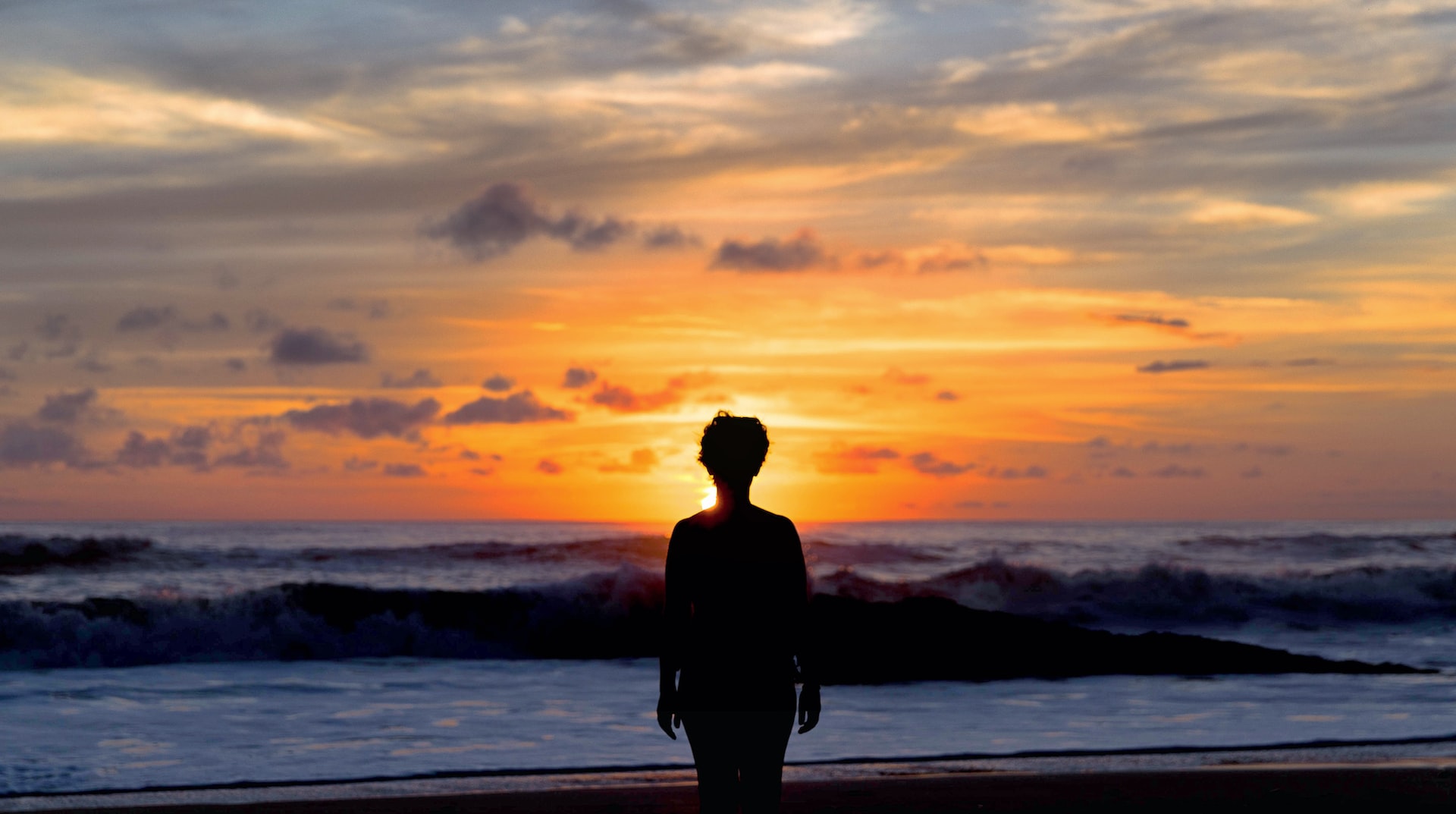
Santa Teresa stretches along one road behind the beach for about 8 kilometers. From south to north:
- Mal País: the quieter, rockier area to the south.
- Playa Carmen: where the road from Cóbano reaches the coast. It’s the most walkable area, with shops, restaurants and the most popular surf break for lessons.
- Santa Teresa: the middle stretch, lined with hotels, cafés and yoga studios.
- Playa Hermosa: the northern end, with a long, open beach and a slightly quieter feel.
Where to stay
Where to Stay in Santa Teresa
Pick your area first. Stay near Playa Carmen if you want to walk to restaurants and shops. Choose Santa Teresa or Playa Hermosa for more space and quieter beaches, and Mal País for a calmer, more local feel. Hillside rentals have views but usually require a vehicle.
- Hostels and surf camps: roughly $25 to $40 a night for a bed, often with breakfast.
- Boutique guesthouses: roughly $60 to $100 a night.
- Villas and private cabins: from about $150 a night, good for families and groups.
- Luxury hotels: $200 or more a night. Florblanca is one of the best-known beachfront resorts.
Prices rise sharply from December to April and around Christmas, New Year’s and Easter week. Book early for those dates.
Things to do
Things to Do in Santa Teresa
Surf
Surfing is the main reason most people come. Santa Teresa gets waves year-round. Beginners usually learn at Playa Carmen, where many surf schools give lessons and rent boards. Swells are biggest from about September to October, and the dry season brings cleaner morning conditions. See our Costa Rica surf forecast guide and surf trip guide.
Yoga and wellness
Yoga is the town’s other big draw. You’ll find drop-in classes at studios and hotels, as well as longer retreats that combine yoga and surf.
Cabo Blanco Reserve
Cabo Blanco Absolute Natural Reserve, near Cabuya at the tip of the peninsula, was Costa Rica’s first protected area. A forest trail leads to beaches at the end of the peninsula, with capuchin monkeys and birds along the way. It’s generally open Wednesday through Sunday, 8 a.m. to 4 p.m., but check hours before you go. Bring water and start early.
Montezuma waterfalls
In Montezuma, on the east side of the peninsula, a 20- to 30-minute hike up a slippery riverbed leads to the lower waterfall and a swimming pool. Don’t jump or climb near the falls. Tourists have died there, and flash floods can happen in the rainy season.
Isla Tortuga and other tours
Boat tours to Isla Tortuga leave from the Montezuma area for snorkeling and a beach stop. Other popular options include ATV tours, horseback riding, sportfishing and ziplining.
Eat out
Santa Teresa has a wide restaurant scene for a small town, with sushi, Mediterranean, Italian, vegan cafés and fresh seafood. For local food, look for a soda (a small, family-run restaurant) serving casados and gallo pinto.
Timing
Best Time to Visit Santa Teresa
- December to April (dry season): sunny days and clean surf, but the highest prices, the most visitors and lots of road dust.
- May to June: good surf, green hills, fewer crowds and lower rates. Afternoon rain is common.
- September to October: the wettest months, with the biggest swells. Roads can be muddy.
Know before you go
Practical Tips for Santa Teresa
- Getting around: most visitors rent an ATV or motorbike, usually about $35 to $50 a day, or use taxis. Driving at night is harder on the unlit, dusty road, so take extra care.
- Money: cards are widely accepted, but carry colones for sodas and small purchases. Cóbano, about 15 minutes inland, has the bank and larger supermarkets.
- Theft: don’t leave valuables on the beach or in a vehicle.
- Cell coverage: Kölbi and Claro generally work best on the peninsula.
- Dust and mud: bring a buff or mask for dry-season ATV rides and shoes you don’t mind getting dirty.
Exploring more of the peninsula? See our guides to Sámara Beach and the Nicoya Blue Zone, and our airport guide for planning your arrival.
Good to know
Santa Teresa, Costa Rica FAQ
What is the closest airport to Santa Teresa, Costa Rica?
The Cóbano airstrip, about 15 minutes away, has domestic flights from San José. The nearest international airports are San José (SJO) and Liberia (LIR).
How long does it take to get from San José to Santa Teresa?
About 5 to 6 hours by car or shuttle using the Puntarenas–Paquera ferry, or 30 to 40 minutes by domestic flight to Cóbano.
Do I need a 4×4 in Santa Teresa?
It’s not always required, but it helps, especially from May to November when local roads get muddy and rutted.
Is Santa Teresa good for beginner surfers?
Yes. Playa Carmen has many surf schools and is the usual place for lessons. Ask instructors about currents and conditions.
When is the best time to visit Santa Teresa?
December to April for dry, sunny weather, or May to June for good surf, fewer people and lower prices.
What is there to do near Santa Teresa?
Popular trips include Cabo Blanco Reserve, the Montezuma waterfalls, snorkeling tours to Isla Tortuga, ATV tours and horseback rides.
The short version
Fly to Cóbano for the quickest trip, or allow 5 to 6 hours by road and ferry from San José.
Stay near Playa Carmen to walk everywhere, surf in the morning, and book early for December to April.