
The best beaches in Costa Rica depend on what you want from a beach day. For wildlife, go to Manuel Antonio. For learning to surf and an easy base, Tamarindo. For calm, clear water, Playa Conchal or Playa Hermosa in Guanacaste. Experienced surfers should head to Avellanas, Santa Teresa or Dominical, and for Caribbean food and culture, Playa Cocles near Puerto Viejo. The Pacific beaches are best in the December-to-April dry season; the Caribbean side is often driest in September and October.
This guide is for first-time and returning visitors choosing where to spend their beach days. It covers eight of the country’s best beaches, who each one suits, how to get there and the safety points that matter most.
| Beach | Best for | Getting there |
|---|---|---|
| Manuel Antonio | Wildlife, calm cove swimming | About 3 hours from San José |
| Tamarindo | Surf lessons, restaurants, nightlife | About 1 hour 15 minutes from Liberia |
| Santa Teresa | Surfing, sunsets | Ferry or flight; 4.5–5.5 hours by road from Liberia |
| Playa Conchal | Clear water, snorkeling | About 1 hour from Liberia, then a walk |
| Playa Avellanas | Surfing, quiet days | About 1.5 hours from Liberia |
| Playa Hermosa | Easy swimming, short transfers | About 30 minutes from Liberia |
| Dominical | Experienced surfers, waterfalls | 3.5–4 hours from San José |
| Playa Cocles | Caribbean culture, surfing | 4.5–5 hours from San José |
The list
The 8 Best Beaches in Costa Rica
1. Manuel Antonio: best for wildlife
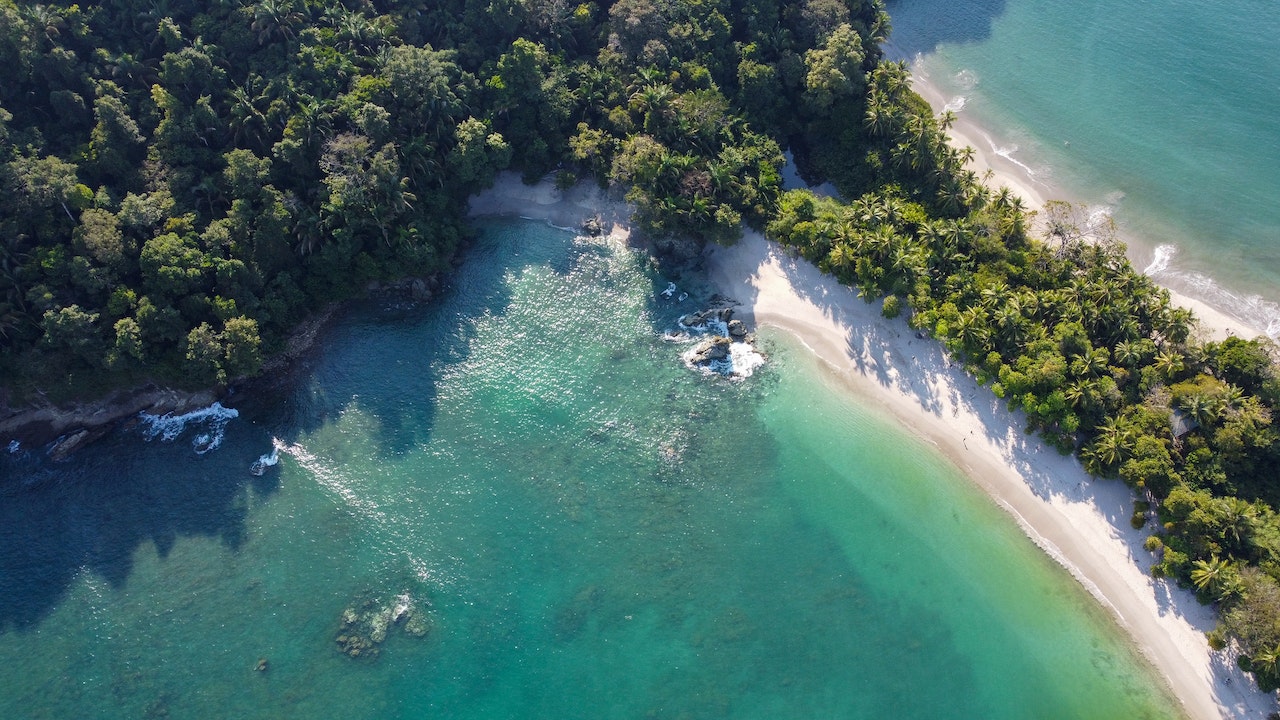
Playa Manuel Antonio and Playa Espadilla Sur sit inside Manuel Antonio National Park on the Central Pacific coast, with forest running down to the sand. Capuchin monkeys, sloths and raccoons are common sightings. Playa Manuel Antonio is a sheltered cove and usually the calmer place to swim.
The park is closed on Tuesdays and open 7 a.m. to 4 p.m. other days. Tickets are sold online only through the SINAC system, cost $18.08 for foreign adults including tax, and often sell out days ahead in high season. Food, chairs, umbrellas and drones aren’t allowed. For a free alternative, Playa Espadilla, the public beach just outside the park, has chair rentals and restaurants nearby. See our Manuel Antonio National Park guide.
Good to know: keep bags closed and zipped; monkeys grab food and anything loose.
2. Tamarindo: best for first-time surfers

Tamarindo is the most developed beach town in Guanacaste, about 1 hour 15 minutes from Liberia airport on paved roads. Its beach break makes it one of the better places in the country to learn to surf, and the town has the widest choice of surf schools, restaurants and tours on this coast. Playa Langosta lies just south across the estuary, and Playa Grande is to the north.
The trade-off is crowds and development. If you want a quiet week, use Tamarindo as a base and take day trips. See our Tamarindo guide.
Good to know: crocodiles live in the estuary, so don’t swim near the river mouth.
3. Santa Teresa: best for surfing and sunsets
Santa Teresa, near the southern tip of the Nicoya Peninsula, has a long beach with consistent surf and some of the best sunsets in the country. The town has a strong surf and yoga crowd, plus good cafés and restaurants. Cabo Blanco, Costa Rica’s first protected area, is nearby and open Wednesday to Sunday.
Getting there takes some planning. From San José, the usual route is the car ferry from Puntarenas to Paquera, about 70 minutes, then drive on. Small planes fly into Cóbano, about 15 minutes from town. From Liberia, the drive takes 4.5 to 5.5 hours. See our Santa Teresa guide.
Good to know: the surf is strong and rip currents are common, so swim only where you see others in the water.
4. Playa Conchal: best for clear, calm water

Playa Conchal, about an hour from Liberia, is made of crushed shells, which gives the water its turquoise color. It’s usually calm enough for swimming and snorkeling. Vehicles are banned on the beach, and the road through the Reserva Conchal resort is gated for guests, so most visitors park in Brasilito and walk 10 to 20 minutes along the shore.
There are no restrooms or showers, and shade is limited, so bring water and arrive early. Taking shells or sand is illegal. See our Playa Conchal guide, and nearby Playa Flamingo if you want more services.
Good to know: walking barefoot on the crushed shell takes some getting used to; water shoes help.
5. Playa Avellanas: best for a quiet surf day

Avellanas, about 25 minutes south of Tamarindo, is a long golden beach with several surf breaks and mangroves at the north end. Outside the peak weeks, it’s often close to empty. Development is light: a few surf shops, small hotels and a well-known beach restaurant.
The last stretch of road is gravel and gets rough in the green season, so a higher-clearance car helps. This is a surf beach first; the currents are strong, so it suits surfers more than casual swimmers.
Good to know: bring water and sunscreen, since services are limited.
6. Playa Hermosa (Guanacaste): best for easy swimming

Playa Hermosa sits on the Gulf of Papagayo, about 30 minutes from Liberia on paved roads, which makes it a good first or last night of a trip. The gray volcanic sand curves around a sheltered bay with easy swimming, and it’s quieter than nearby Playas del Coco, a short drive away, where you’ll find more restaurants and boat and snorkel tours.
Good to know: there’s another Playa Hermosa near Jacó on the Central Pacific. That one is a surf beach with strong waves, so check which one you’re booking.
7. Dominical: best for experienced surfers

Dominical, on the South Pacific coast, has a powerful beach break and a relaxed small-town feel. It’s 3.5 to 4 hours from San José by the coastal route. Lifeguards have watched the beach since 1996, but the riptides are strong; beginners do better at Dominicalito, a calmer cove just south.
Off the beach, you can hike at the Hacienda Barú wildlife refuge, visit Nauyaca Waterfalls, or drive south to Marino Ballena National Park, where you can walk the Whale’s Tail sandbar at low tide. See our Dominical guide.
Good to know: swim only between the lifeguard flags.
8. Playa Cocles (Puerto Viejo): best for Caribbean culture

Playa Cocles, about 3 km southeast of Puerto Viejo, is the town’s main surf beach, with consistent waves and several surf schools. Puerto Viejo itself has Afro-Caribbean food, reggae bars and a slower pace than the Pacific beach towns, and Cahuita National Park is a short drive north.
The waves at Cocles call for caution, and a lifeguard is on duty only at certain times. For calmer swimming, continue south to Playa Chiquita or Punta Uva, where offshore reefs keep the water calm and shallow. The drive from San José takes 4.5 to 5 hours on Route 32 through Braulio Carrillo, where landslides can close the road in the wet season. See our Puerto Viejo guide.
Good to know: renting a bike is the easiest way to get between Puerto Viejo and the beaches to the south.
Choosing
Which Costa Rica Beach Is Best for You?
- Families with young kids: Playa Hermosa, Playa Conchal, or Punta Uva on the Caribbean side.
- Wildlife: Manuel Antonio, with Cahuita a good Caribbean option.
- Learning to surf: Tamarindo, or Dominicalito near Dominical.
- Experienced surfers: Avellanas, Santa Teresa, Dominical and Cocles. Check our Costa Rica surf report.
- Short airport transfers: Playa Hermosa and Tamarindo from Liberia.
- Restaurants and nightlife: Tamarindo and Puerto Viejo.
Safety
Beach Safety: Rip Currents and Theft
- Don’t leave valuables on the sand or in a parked car; petty theft is the most common problem at beaches.
- Stay out of river mouths and estuaries, where crocodiles live.
- Take the sun seriously. Shade is limited at many beaches, and the midday sun is strong.
Timing
Best Time to Visit Costa Rica’s Beaches
On the Pacific side, the dry season runs from about December to April, with the most sun and the biggest crowds. The rainy season, May to November, brings afternoon showers, lower prices and more consistent surf, and September and October are the wettest months. The Caribbean coast follows a different pattern and is often at its driest in September and October. See the best time to visit Costa Rica by region.
Want to combine beach time with turtles? See our guide to sea turtle nesting sites.
FAQ
Best Beaches in Costa Rica: FAQ
What is the most beautiful beach in Costa Rica?
It depends on what you value, but Manuel Antonio, with forest down to the sand, and Playa Conchal, with its turquoise water, are two of the most popular picks.
Which Costa Rica beach is best for swimming?
Sheltered beaches such as Playa Hermosa in Guanacaste, Playa Conchal, Playa Manuel Antonio and Punta Uva on the Caribbean coast are usually the calmest.
Are beaches in Costa Rica public?
Yes. By law, the beach itself is public, even in front of resorts, though you may need to reach it through public access points.
Is the Pacific or Caribbean side better for beaches?
The Pacific has more beaches, more services and drier weather from December to April. The Caribbean has a different culture and food and is often driest in September and October.
Do Costa Rica beaches have lifeguards?
Some do, including Dominical, but many don’t. Assume there’s no lifeguard and swim with care.
Do I need a 4×4 to reach the beaches?
Not for Tamarindo, Playa Hermosa, Conchal (via Brasilito) or Manuel Antonio. A higher-clearance car or 4×4 helps for Avellanas, Santa Teresa and back roads in the rainy season.
The short version
Wildlife: Manuel Antonio. Calm water: Conchal or Playa Hermosa.
Surf lessons: Tamarindo. Bigger waves: Avellanas, Santa Teresa or Dominical.
Caribbean food and culture: Puerto Viejo and Playa Cocles.