
Most Costa Rica hot springs are resorts near Arenal Volcano, where naturally heated water flows into landscaped pools. Day passes run from about $10 at budget spots to $150 or more at Tabacón with a meal, before 13% tax. There’s one well-known free option, the hot river called El Choyín near Tabacón, and smaller choices in Guanacaste and the Orosi Valley. This guide compares the main hot springs by price, crowds and who they suit, so you can pick one before you book.
| Costa Rica hot springs | At a glance |
|---|---|
| Main area | La Fortuna and Arenal Volcano |
| Price range | Free (El Choyín) to about $150 with meals, plus 13% tax |
| Free option | El Choyín hot river, near Tabacón |
| Best for families | Baldi (slides and kids’ areas) |
| Quietest | EcoTermales (capped at about 100 visitors a day) |
| Outside Arenal | Rincón de la Vieja (Guanacaste), Orosi Valley |
The basics
What Costa Rica Hot Springs Are Really Like
Costa Rica’s hot springs come from groundwater heated by volcanic activity. The biggest cluster is around La Fortuna, at the foot of Arenal Volcano, about a three-hour drive from either San José or Liberia.
Except for El Choyín and a few other public river spots, the hot springs you see in photos are resorts. The water is naturally heated, but it runs into built pools with tiled edges, bars and restaurants. Some resorts, such as Tabacón, keep a more natural river setting; others feel like water parks. Knowing that up front helps you choose and budget.
Compared
Arenal Hot Springs Compared: Prices and Who They Suit
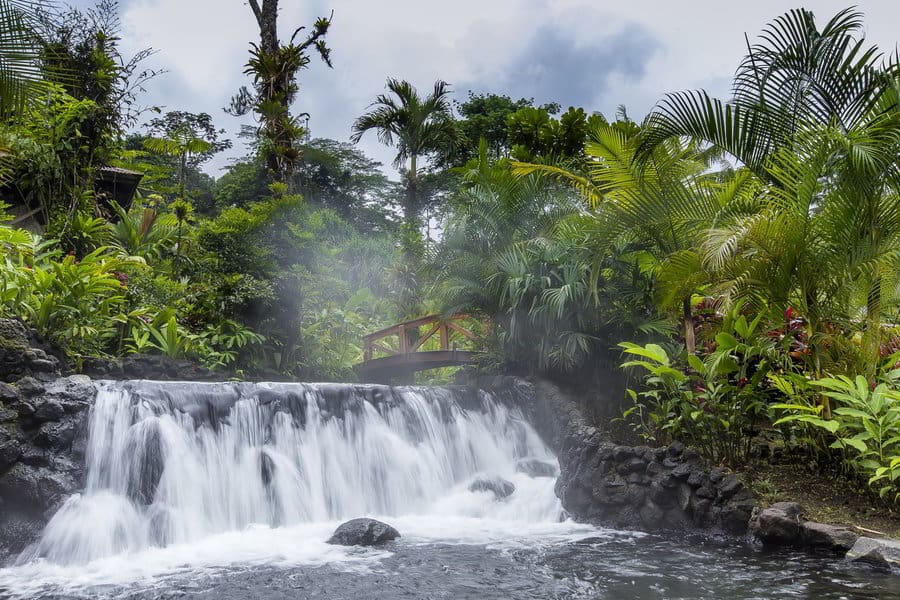
Prices below are approximate adult day-pass rates for 2026 and change with season, meal packages and holidays. Most don’t include the 13% tax. Check the resort’s own site before you go.
| Hot spring | Adult day pass (approx.) | Setting | Best for |
|---|---|---|---|
| Tabacón | About $80–$110; about $150 with a meal | Natural thermal river through gardens, plus pools | Splurge, couples, the classic photo |
| The Springs Resort | About $90–$110 | Hillside pools with volcano views | Views and resort amenities |
| Baldi | About $47; $69 with a meal | About 25 pools, waterslides, swim-up bars | Families and groups |
| EcoTermales | About $43–$47; about $77 with a meal | Small, quiet, forest setting; about 100 visitors a day | Quiet soak; book ahead |
| Paradise | About $40–$42; $64 with a meal | Smaller, calm resort | Value, couples |
| Titoku | About $33; $52 with a meal | Small, quiet pools | A low-key soak |
| Los Lagos | About $20–$25 | Hot and cold pools, slides | Budget families |
| Termalitas del Arenal | About $10 | Basic local spot | Tight budgets |
| El Choyín | Free | Public stretch of a hot river | A natural soak, early in the day |
Tabacón
The best-known and most expensive option, with a thermal river flowing through landscaped gardens. It’s the one to choose for a special occasion. Our full Tabacón Hot Springs review covers the day pass, timing and if it’s worth the price.
Baldi and The Springs
Baldi is big and busy, with many pools at different temperatures, waterslides and bars, which suits families with kids. The Springs Resort has hillside pools with some of the best volcano views and charges more for them.
EcoTermales and Paradise
EcoTermales limits visitors to about 100 a day and runs set day and evening time slots, so it stays quiet; it sells out in the dry season, so book a couple of weeks ahead from December to April. Paradise is a smaller, calmer resort at a lower price, with optional meals.
Budget picks: Titoku, Los Lagos and Termalitas
These cost a fraction of the big resorts. Facilities are simpler, but the water is just as warm. Termalitas is the cheapest paid option; Los Lagos adds slides for kids.
The free option
El Choyín: The Free Hot Springs Near La Fortuna
El Choyín, also called the Chollín River, is a public stretch of the same thermal river that flows through Tabacón. It’s about 12 kilometers from La Fortuna on Route 142, just past the Tabacón entrance, with a short path down to the water. You soak over rocks in a real river, with no pools or facilities.
Across the road, a paid facility opened in 2025 with river access plus lockers, towels and food, for travelers who want the river setting with a few comforts.
Beyond Arenal
Hot Springs Outside La Fortuna
Rincón de la Vieja, Guanacaste
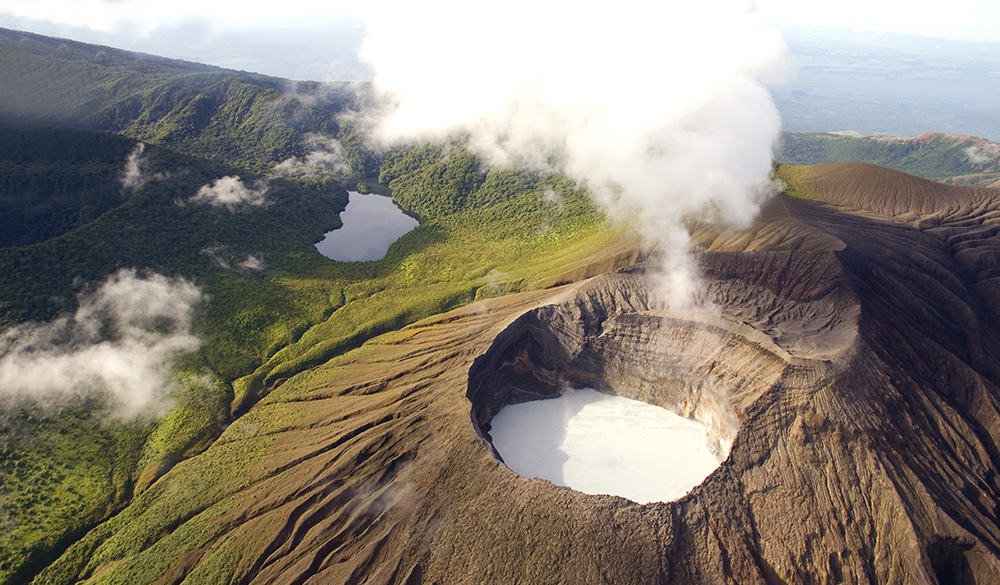
Near Rincón de la Vieja Volcano, private properties outside the national park offer thermal pools and volcanic mud baths, often combined with horseback riding or ziplining in a day pass. Inside the park, the Las Pailas trail passes bubbling mud pots and steam vents, but those are for looking, not soaking. This area makes sense if you fly into Liberia; see our guide to choosing between SJO and LIR.
Orosi Valley, near Cartago
Southeast of San José, the Orosi Valley has small, local thermal pools that see few foreign visitors. They’re simple, but they work for a warm soak if you’re based in the Central Valley and don’t want the drive to Arenal.
Choosing
Which Hot Springs Should You Choose?
- Special occasion or couples: Tabacón.
- Volcano views: The Springs Resort.
- Families with kids: Baldi, or Los Lagos on a budget.
- Quiet and natural feel: EcoTermales.
- Best value: Paradise or Titoku.
- Free and natural: El Choyín, early in the day.
- Based in Guanacaste: Rincón de la Vieja.
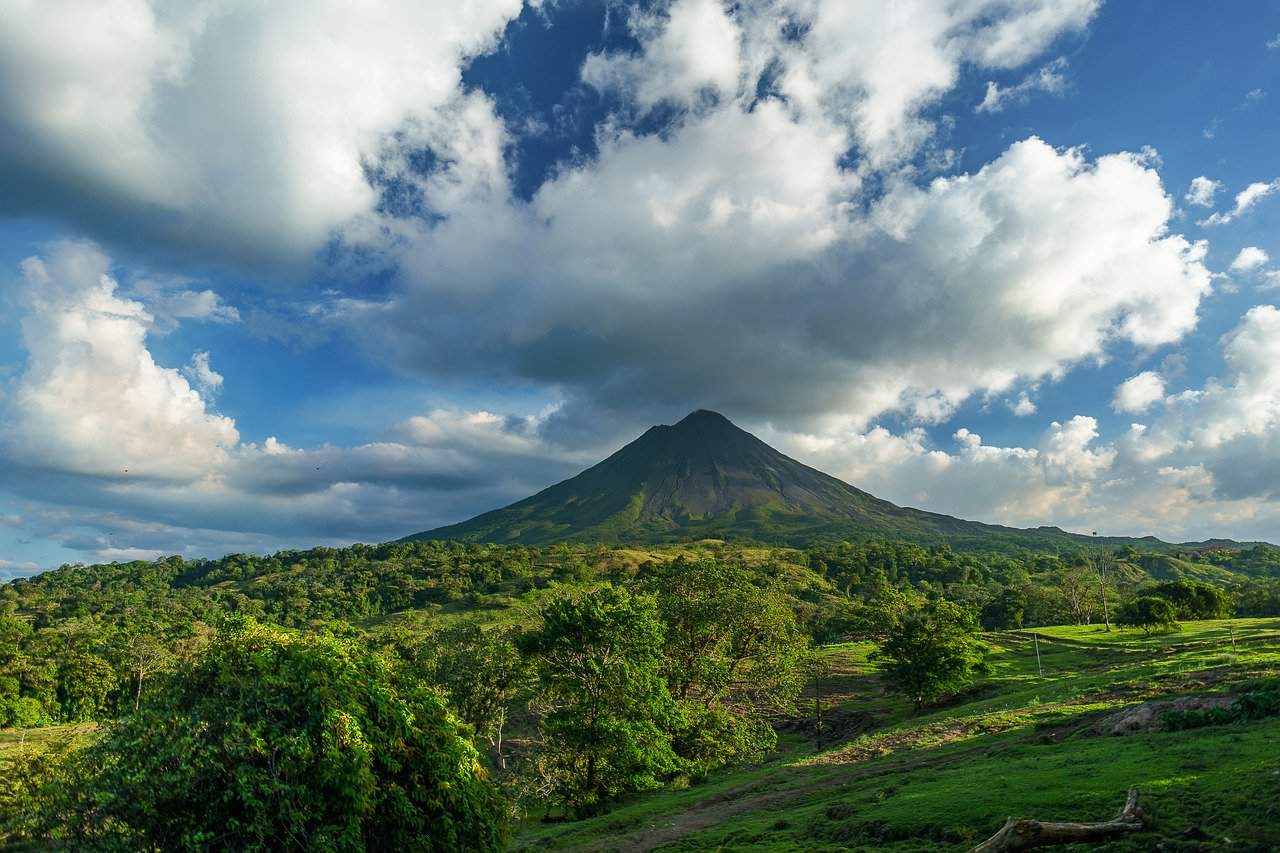
Most visitors spend at least two nights in La Fortuna and fit in a hot springs evening between other activities such as ziplining or rafting. Several hotels have their own thermal pools for guests; see our best hotels in Arenal. Traveling with kids? Our family itineraries include Arenal.
Tips
Tips for Visiting Hot Springs in Costa Rica
- Bring: a swimsuit, sandals or water shoes for slippery rocks and tiles, and a dry bag. Resorts usually provide towels and lockers.
- Limit your time in the hottest pools, take breaks and drink water, especially if you’re having cocktails.
- Leave valuables in your hotel safe.
- Check the season. The dry season (December–April) brings more crowds and clearer volcano views; rainy evenings in the hot water can be pleasant too. See the best time to visit Costa Rica by region.
- Driving at night? Roads around Arenal are dark and winding; see our driving tips, or book a resort shuttle.
FAQ
Costa Rica Hot Springs FAQ
Are Costa Rica hot springs natural?
The water is naturally heated by volcanic activity, but most resorts channel it into built pools. El Choyín, near Tabacón, is a free natural hot river.
How much does a hot springs day pass cost in Costa Rica?
From free at El Choyín and about $10 at Termalitas, to about $40–$50 at mid-range resorts such as Baldi, Paradise and EcoTermales, and $80–$150 at Tabacón depending on meals. Most prices add 13% tax.
What are the best hot springs in La Fortuna?
It depends on what you want: Tabacón for a splurge, The Springs for views, Baldi for families, EcoTermales for quiet and Paradise for value.
Are there free hot springs in Costa Rica?
Yes. El Choyín, about 12 km from La Fortuna near Tabacón, is a public stretch of a hot river. There are no facilities, so watch your belongings and avoid it when the water is high.
Do I need to book hot springs in advance?
In the dry season and on holidays, yes, especially for EcoTermales, which caps daily visitors. In the rainy season you can often book the same day.
Can I visit Arenal hot springs on a day trip from San José?
It’s possible but long, about three hours each way. Most travelers stay at least one night in La Fortuna.
Are there hot springs near Liberia or Guanacaste?
Yes. Private properties near Rincón de la Vieja Volcano offer thermal pools and mud baths, often as part of a day pass with other activities.
The short version
Most hot springs are resorts near Arenal, from about $10 to $150 before tax.
Tabacón for a splurge, Baldi for kids, EcoTermales for quiet, Paradise for value.
El Choyín is free; go early, watch your things and stay out when the river is high.